
Inside the Revamped Singapore History Gallery: 700 Years in Seven Zones
The revamped Singapore History Gallery at the National Museum of Singapore is a journey through more than 700 years of history, with plenty of nostalgia along the way. The gallery reopens on 10 October 2026.
It is the first full revamp since 2006, spread across seven zones. This photo tour follows the route from start to finish, and the nostalgic 1960s to 1990s stretch is the part I would not skip.
My Initial Thoughts
From a 14th century port city to the Singapore of today, the gallery packs more than 700 years into a single visit, and you feel it. The first half and the middle are especially dense, so allow 2 to 3 hours at the very least to take it all in slowly.
I do miss the way the previous gallery handled its opening stretch. It was more immersive, if a little cramped, and as I remember it there were old Singapore scenes that visitors could walk into and stand inside. The revamped gallery does not recreate that feeling in its early zones.
What it gains in return is a cleaner, more modern presentation, which makes the artifacts much easier to view.
For me, Becoming Singapore and Being Singaporean are the highlights of the gallery. They are heavy on nostalgia, and the curation is clever, with plenty of memorable artifacts that will land hardest for anyone born in the 1970s or 1980s. It is a fun space to explore and to revisit childhood memories in, and I suspect it is where most visitors will spend the longest. Frequent visitors to the museum might also view this as an amalgamation of the various temporary exhibits held here before.
Looking Global, at the end, does not reach the same highs as the sections before it, and the gallery does not finish quite as strongly. I think that comes down to a conceptual challenge, since looking forward is a harder job for a history museum than looking back.
Singapore History Gallery Photo Tour, Zone by Zone
The route is chronological. It starts just outside the gallery proper with Singapore Odyssea in the Shaw Foundation Glass Rotunda, moves through seven zones from the 1300s to the present, and ends with an immersive projection room experience. Voice input stations sit throughout, where visitors record a spoken answer to a question tied to that section. Those responses feed into the finale.
Singapore Odyssea
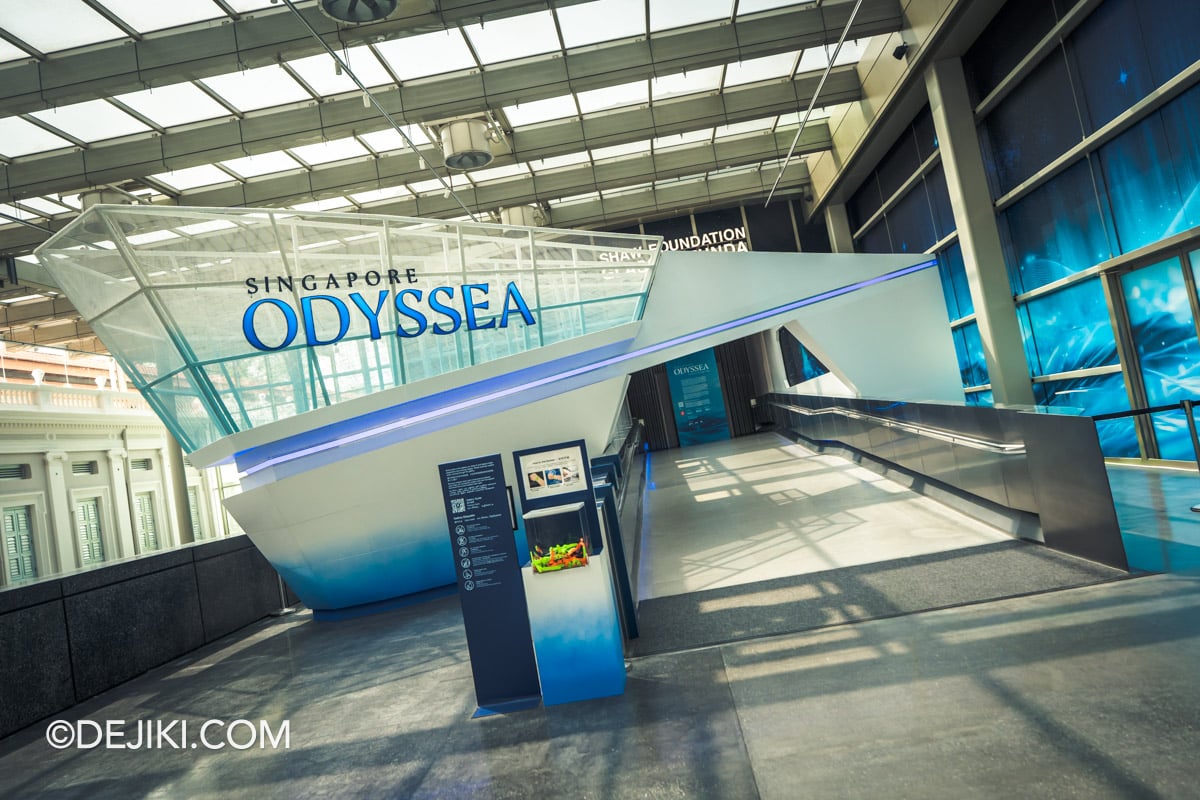
Singapore Odyssea: A Journey Through Time is now the prelude to the gallery, and the museum presents the two as one connected experience. It takes about 15 to 25 minutes, and my Singapore Odyssea photo tour covers it in full.
Fluid Beginnings (1300s to 1800s)
The first zone presents Singapore as a place shaped by the sea. Ships, goods and people moved through these waters from the 14th century, and the island went by several names over time, including Singapura, Temasek, Longyamen and Pulau Ujong, which did not always refer to the same idea of place.
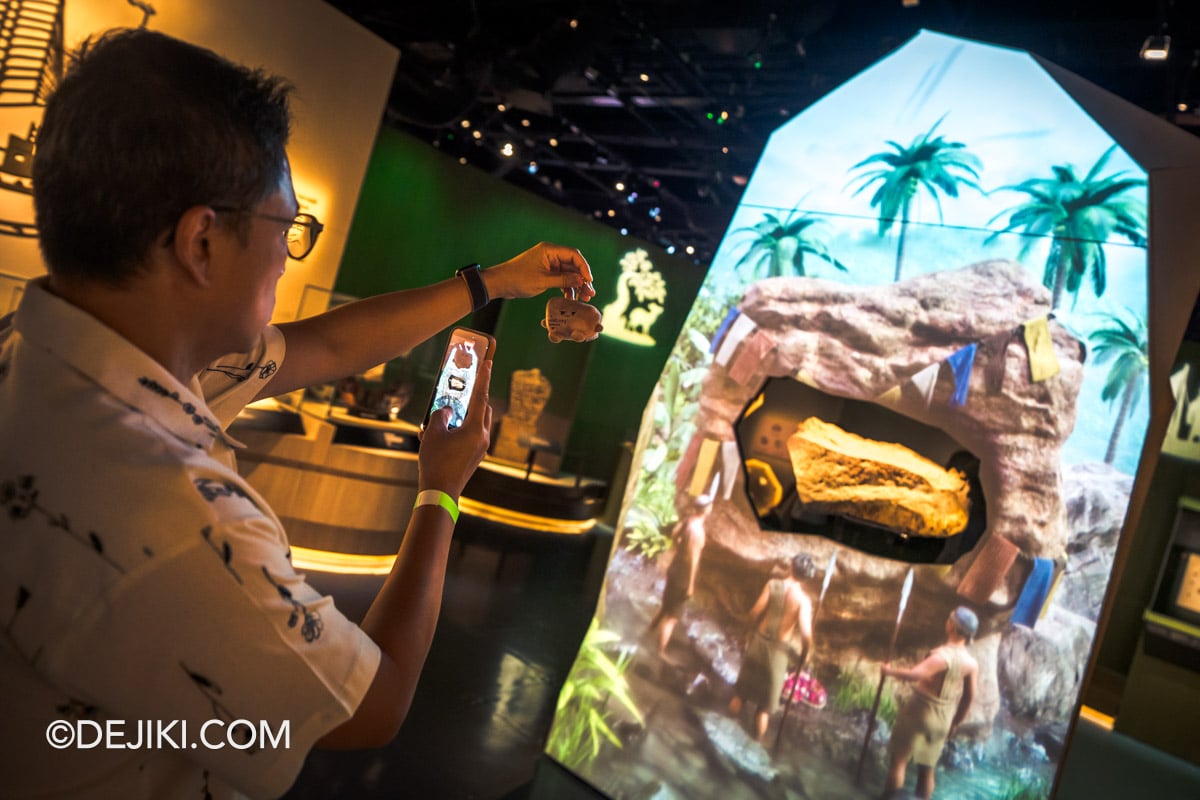
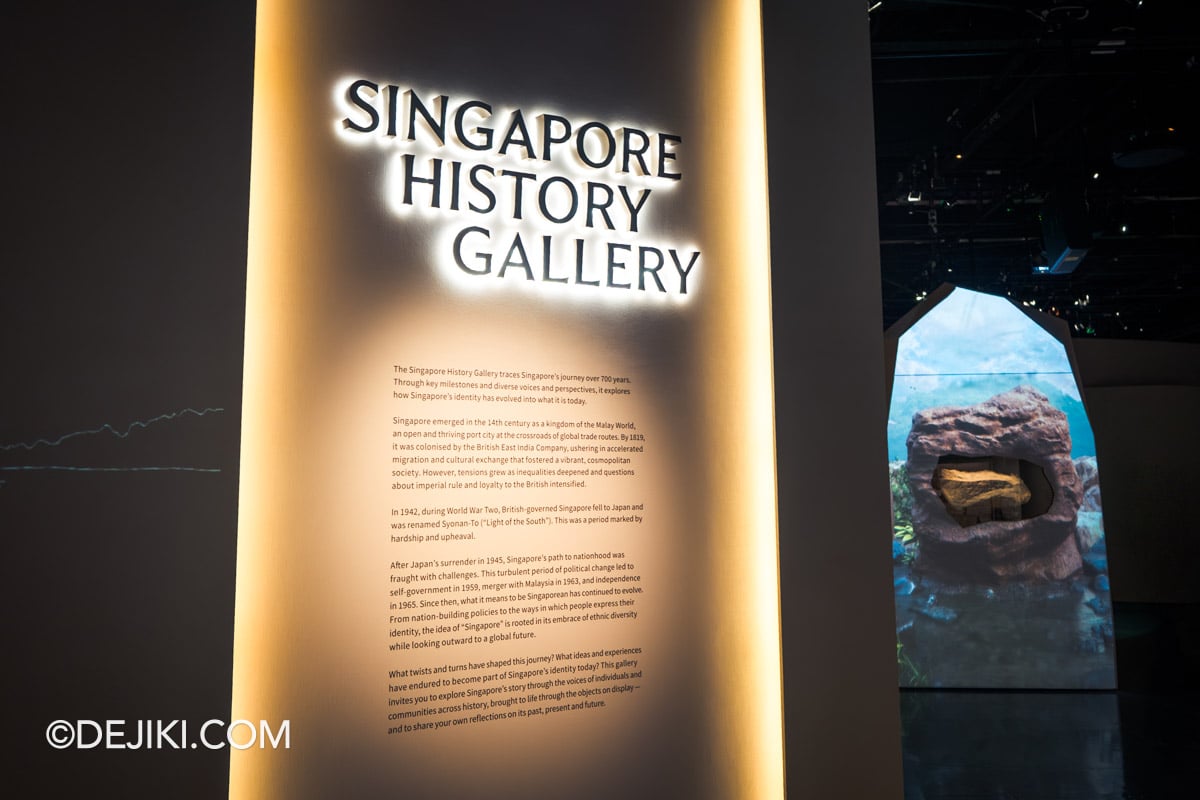
The showpiece in this zone is the Singapore Stone. This sandstone fragment dates to between the 10th and 14th centuries and is the oldest surviving local artifact with written text, in Kawi script that remains undeciphered. The display wraps the fragment in a boulder-shaped structure with projections that follow its journey, then on the back of the column is an interactive exhibit that covers the attempts to decipher the inscription.
It also makes a fun photo spot for fans of Stoney, the museum’s new mascot, who is inspired by this very stone. Visitors can pose the Stoney keychain plush with the real artifact. The plush is S$13.90 at the Museum Market by ABRY store.
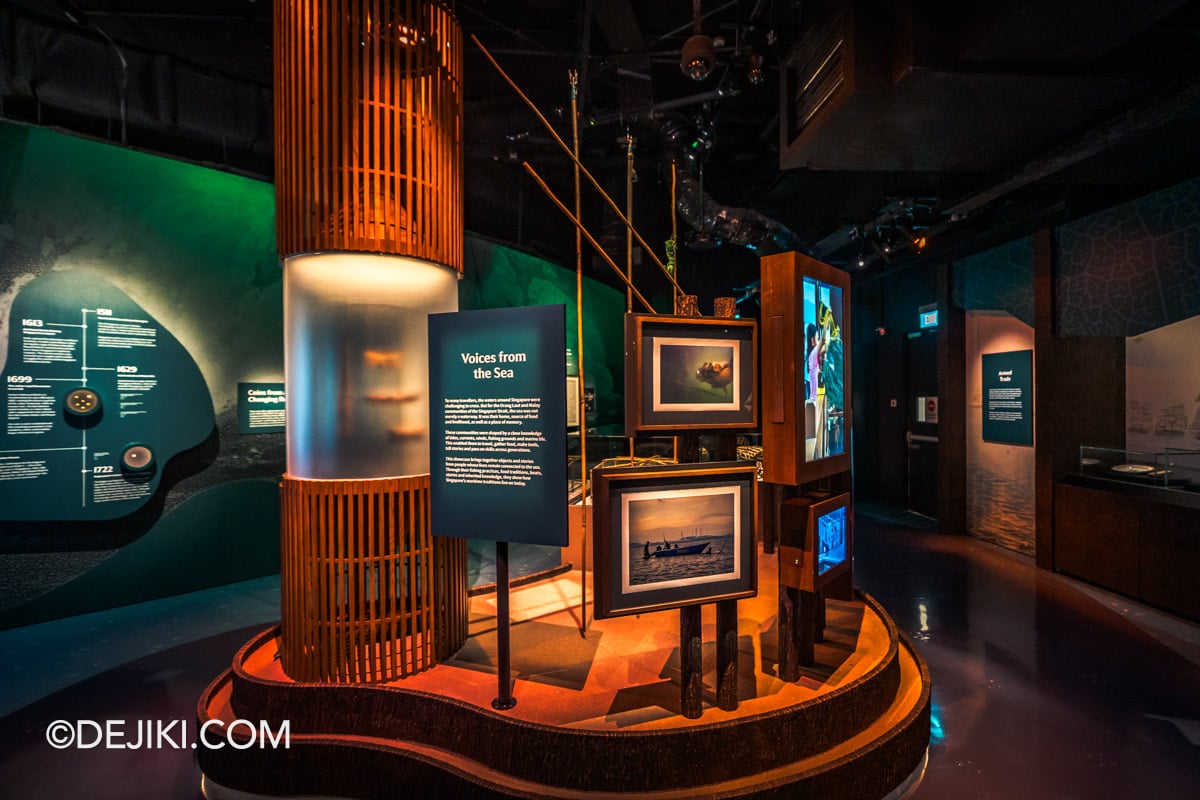
Voices from the Sea shifts the focus to the people who live with the water. The showcase centres on the Orang Laut and Malay communities of the Singapore Strait. Fishing artifacts such as spears, nets and bubu traps sit alongside new interviews, commissioned by the museum, with present-day Orang Laut members about knowledge passed down through generations.
Colonial City (1800s to 1930s)
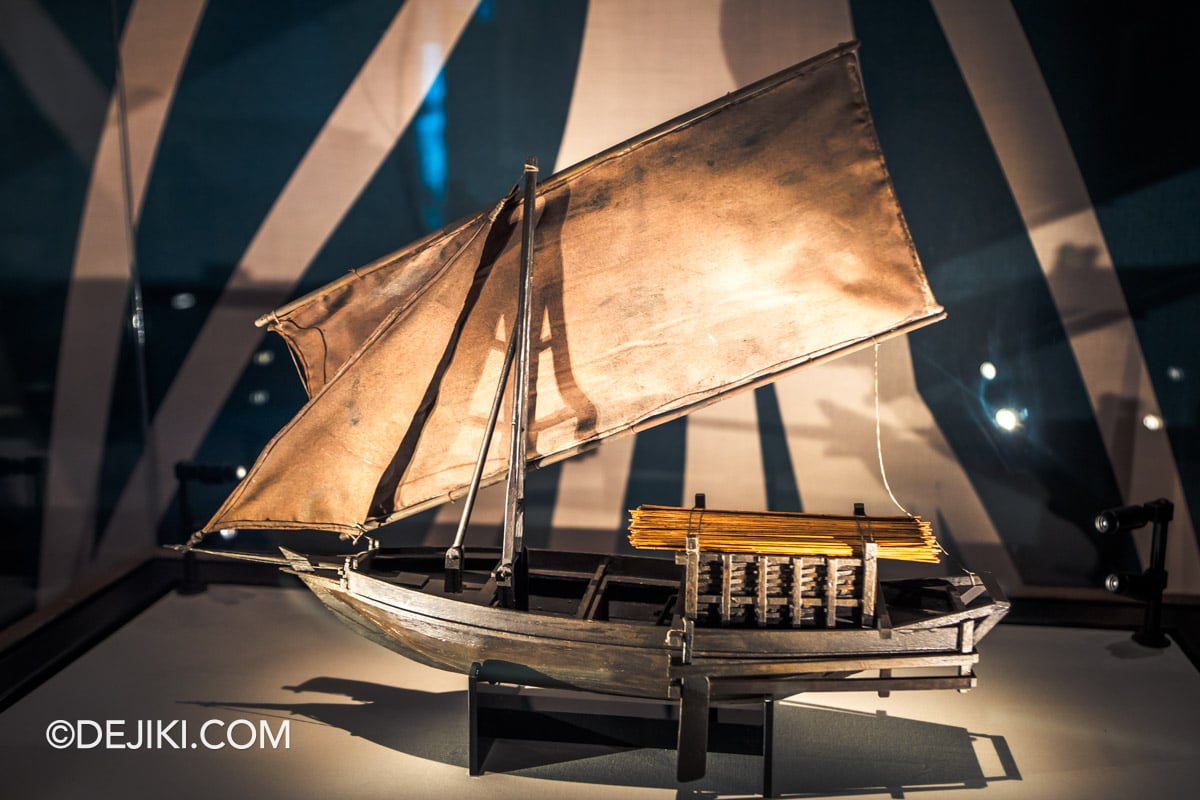
Colonial City follows the island’s shift from a fledgling trading post, established by the British in 1819, into one of Asia’s most dynamic port cities, helped along by Raffles’ declaration of Singapore as a free port. Merchants, migrants and labourers arrived from across the region, and the zone is upfront that the city they built was cosmopolitan and unequal at the same time.
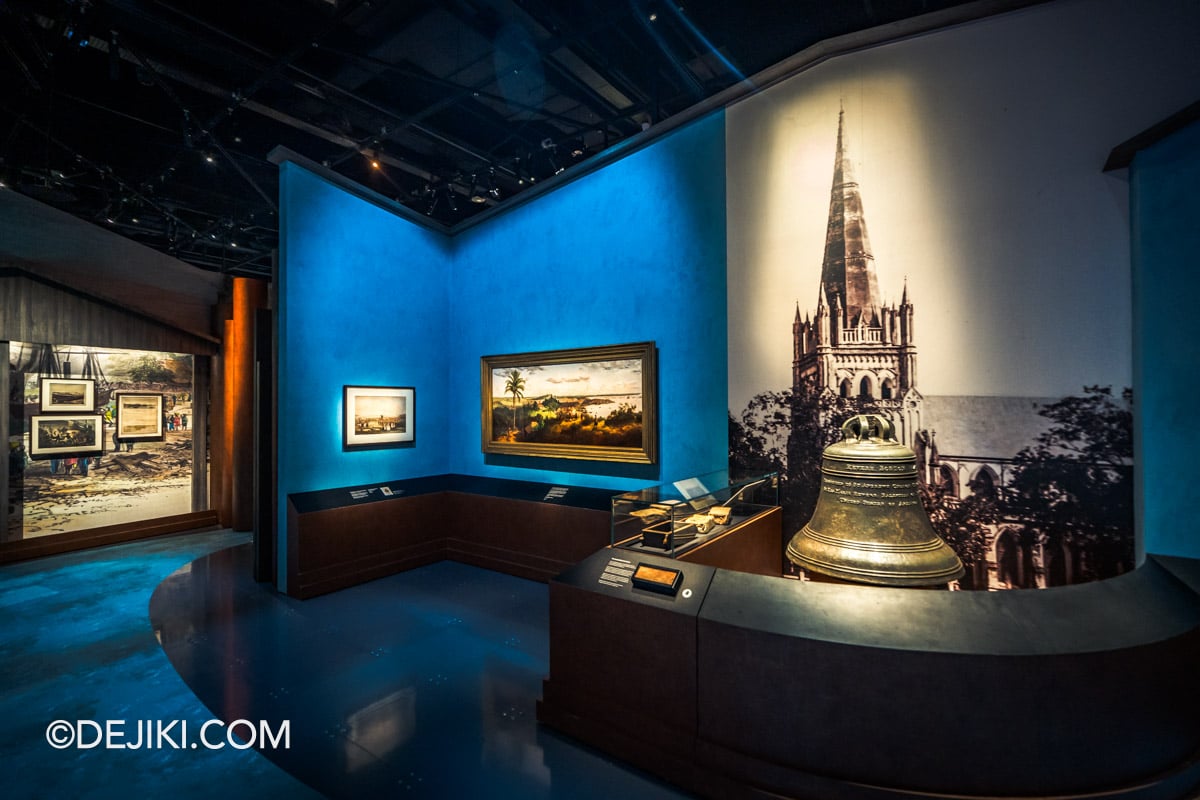
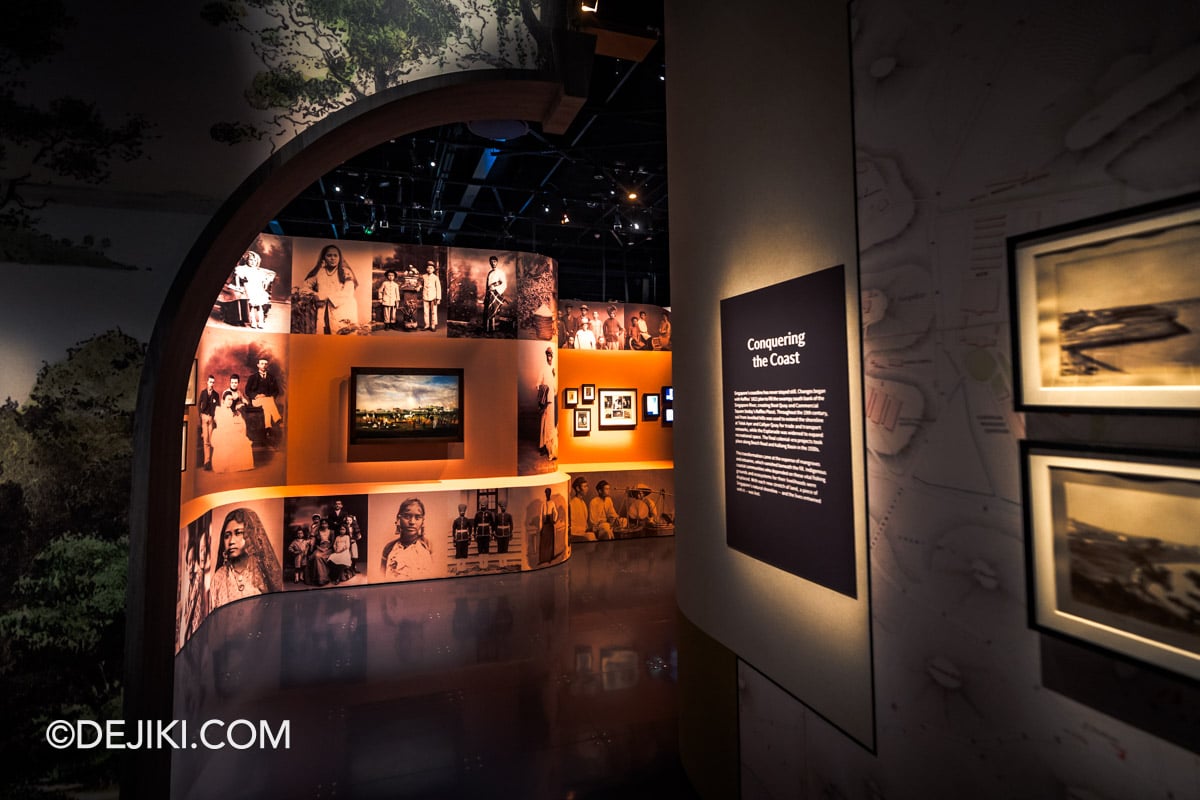
Maps, early photographs and prints record how the island’s appearance changed, alongside everyday objects and the stories of the traders and immigrants who settled here.
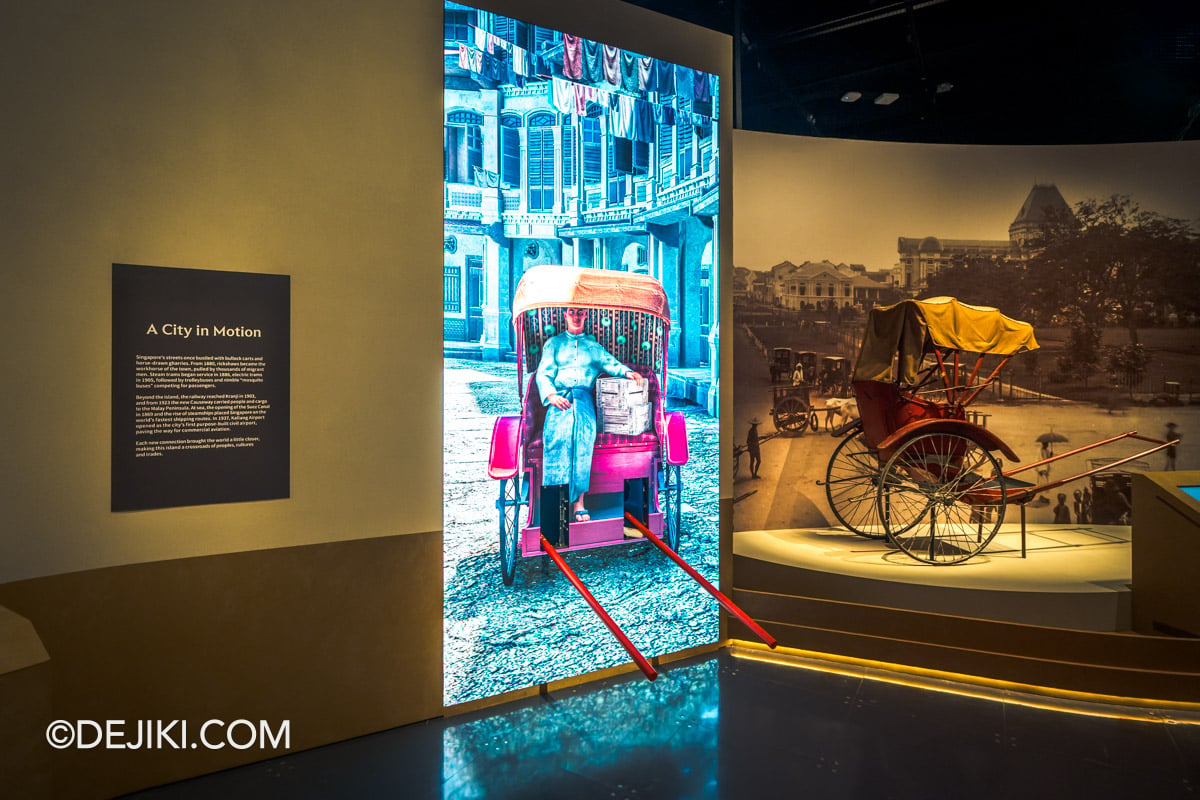
The rickshaw is an interactive exhibit. You lift and pull a recreated rickshaw through a phygital interactive, and each rider reacts to how you handle the load. The original rickshaw sits alongside it, so there is a photo op whichever way you go.
Fall of the Fortress (Late 1930s to 1940s)
The mood shifts sharply in this zone, which covers the build-up to war, the fall of Singapore in 1942 and the Japanese occupation that followed.
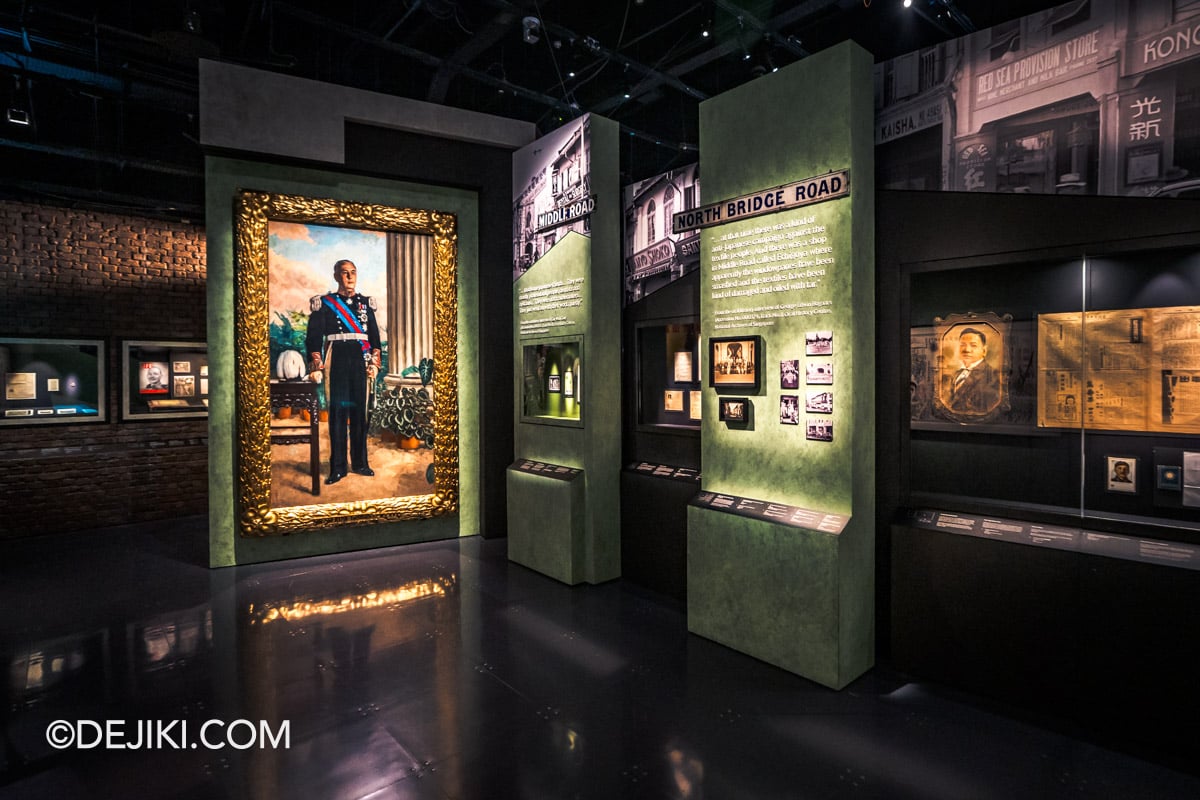
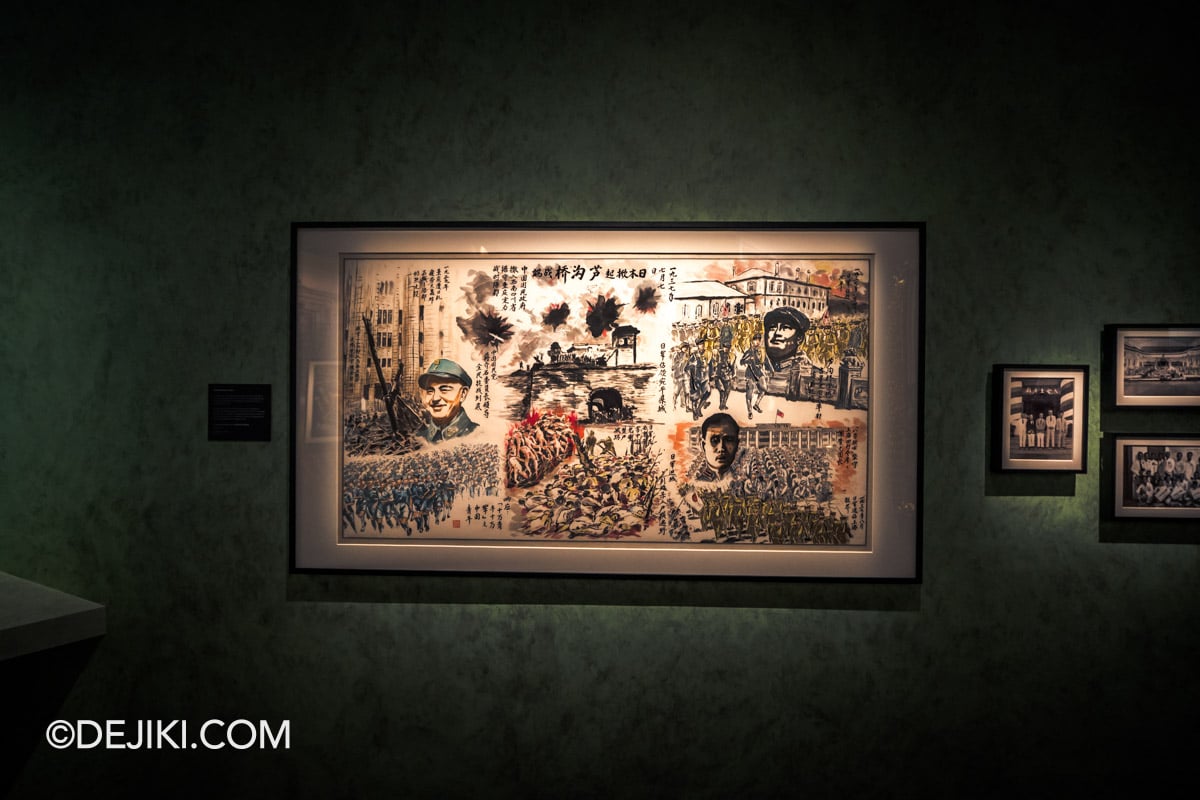
The Marco Polo Bridge Incident is a 2002 painting by Tan Chong Tee, a Singapore-born Force 136 veteran, and it is on display for the first time. It commemorates the Sino-Japanese War, covering major events from 1937 to 1939. A digital interactive beside it lets you pick illuminated objects that act as memory triggers, and each one reveals historical context before animated ink strokes fill in that part of the painting.
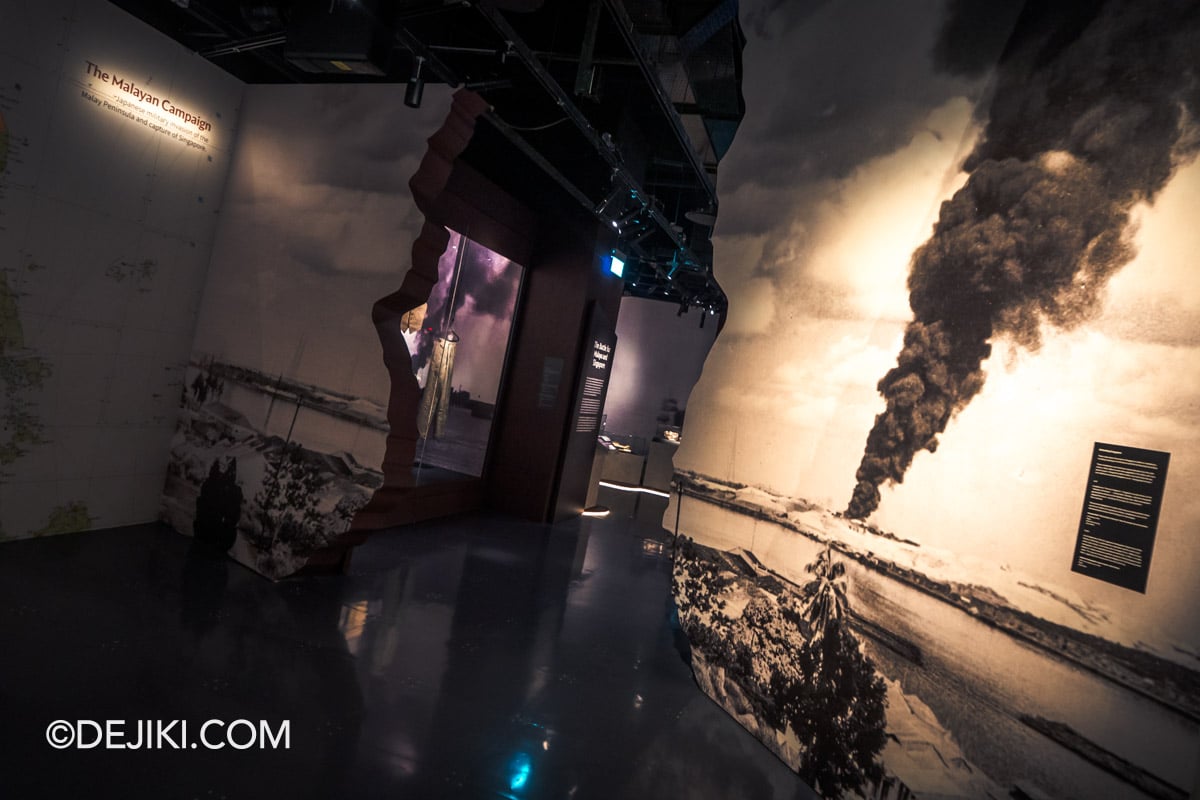
From there, the zone follows the swift collapse of Britain’s “impregnable fortress” through personal effects, military artifacts and letters.
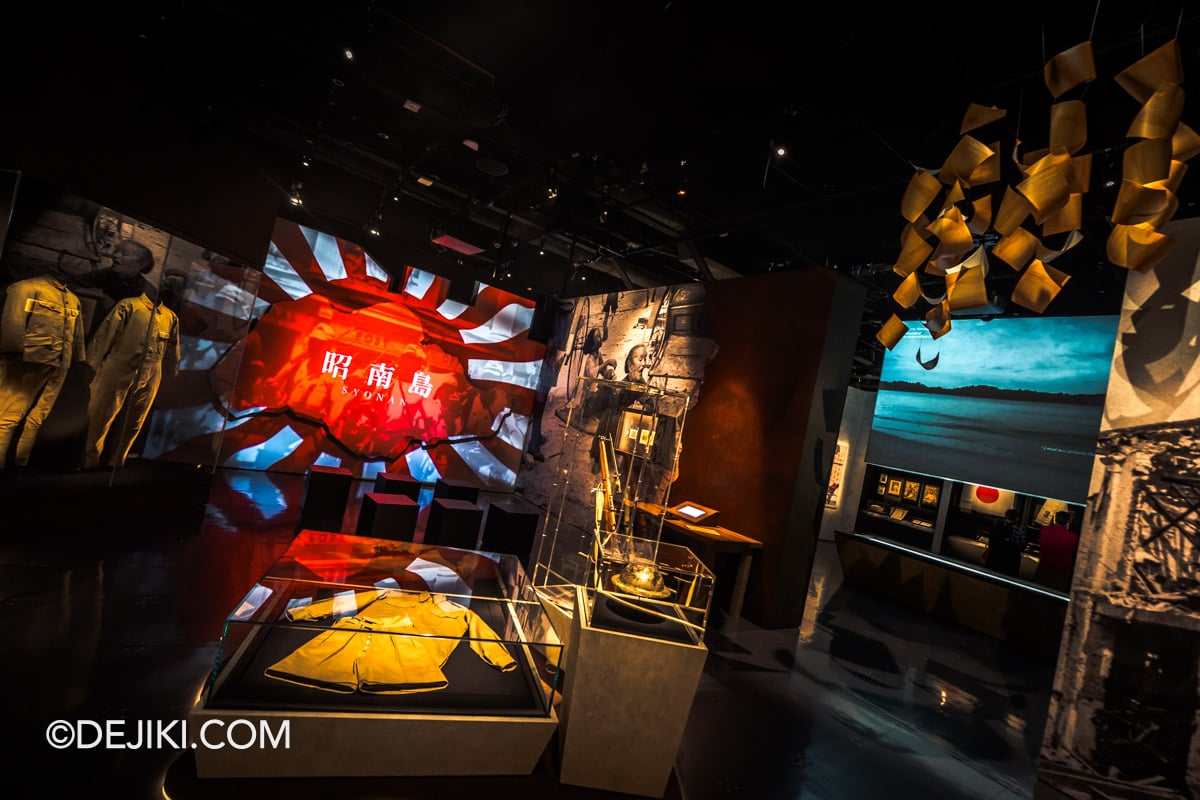
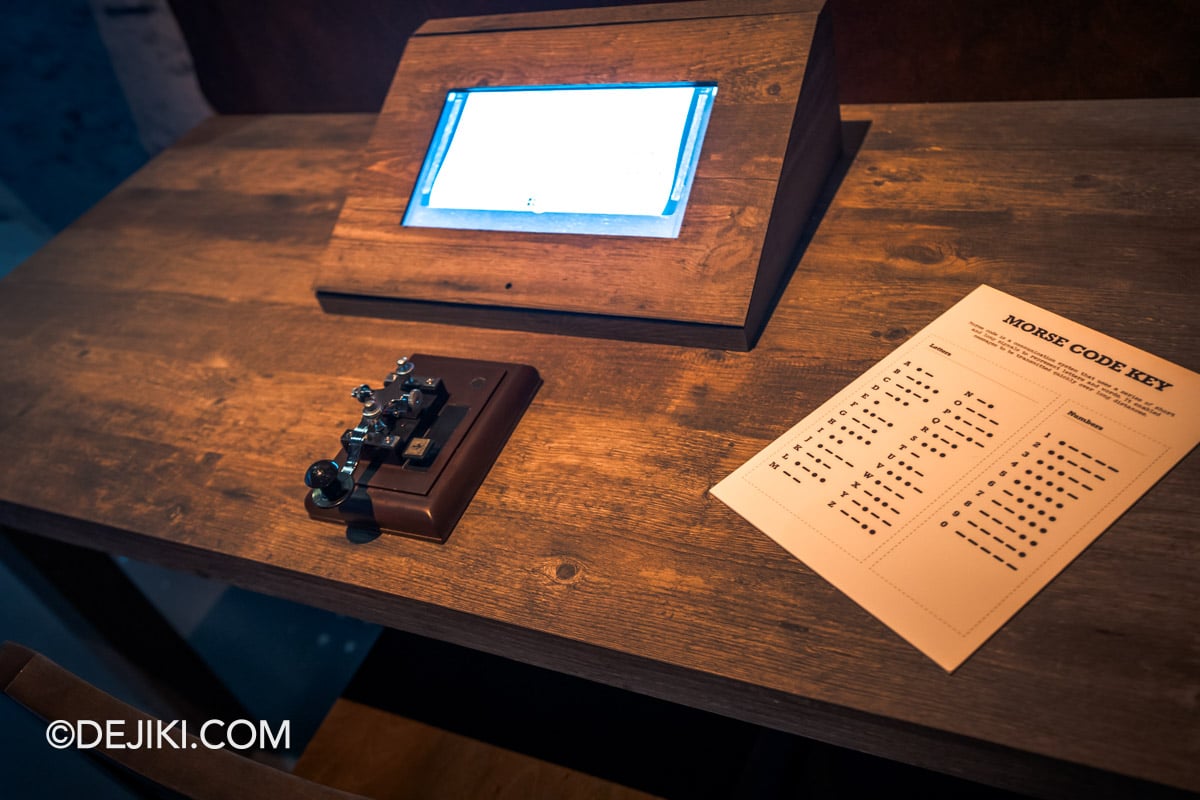
The British Surrender Morse Code Station puts you in the seat of a British signal operator. You practise the basics, send a short phrase, then attempt a timed message that reads SINGAPORE HAS FALLEN, which is measured against the correct version.
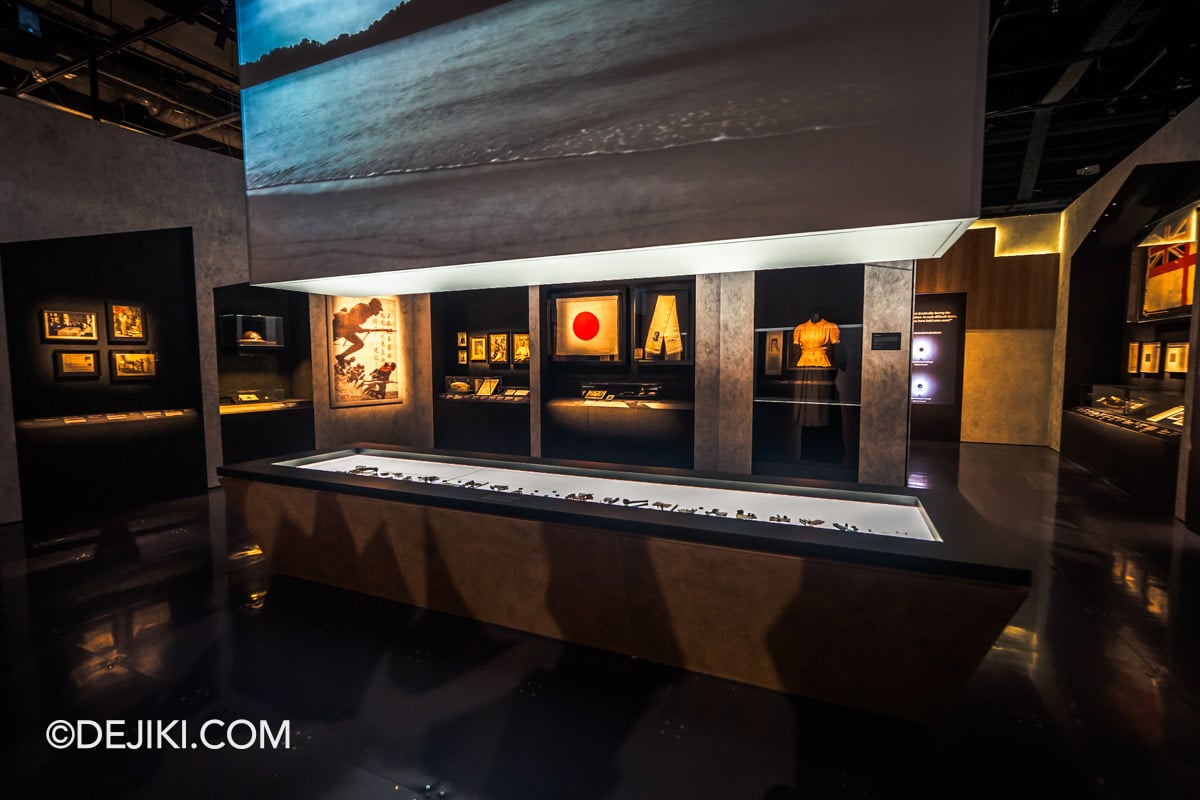
Remembering Sook Ching is a quieter stop. The showcase holds personal belongings uncovered after the massacres, set beneath projections with quotations from survivors and family members of victims, so that named and unnamed victims are remembered through the objects.
Towards a New Identity (1950s to 1960s)
After the war, Singaporeans faced the realisation that they would have to shape their own future, and this zone follows the push for self-determination through to nationhood. The questions were open: what could replace colonial rule, and what kind of country should Singapore become. The zone covers the elections of 1955 and 1959, merger with Malaysia in 1963, and separation on 9 August 1965.
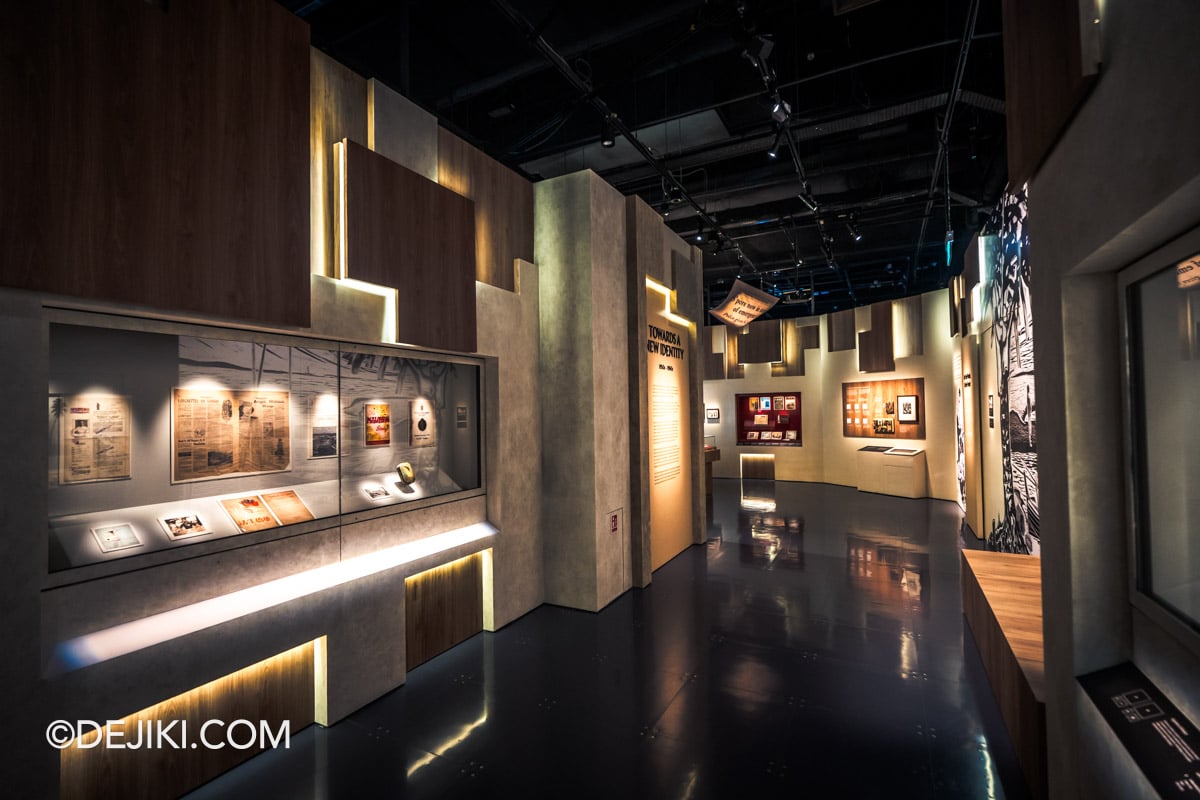
It opens with a post-war society grappling with poverty and colonial discontent, where artists and activists turned to woodblock prints, literature and theatre to give voice to ordinary people.
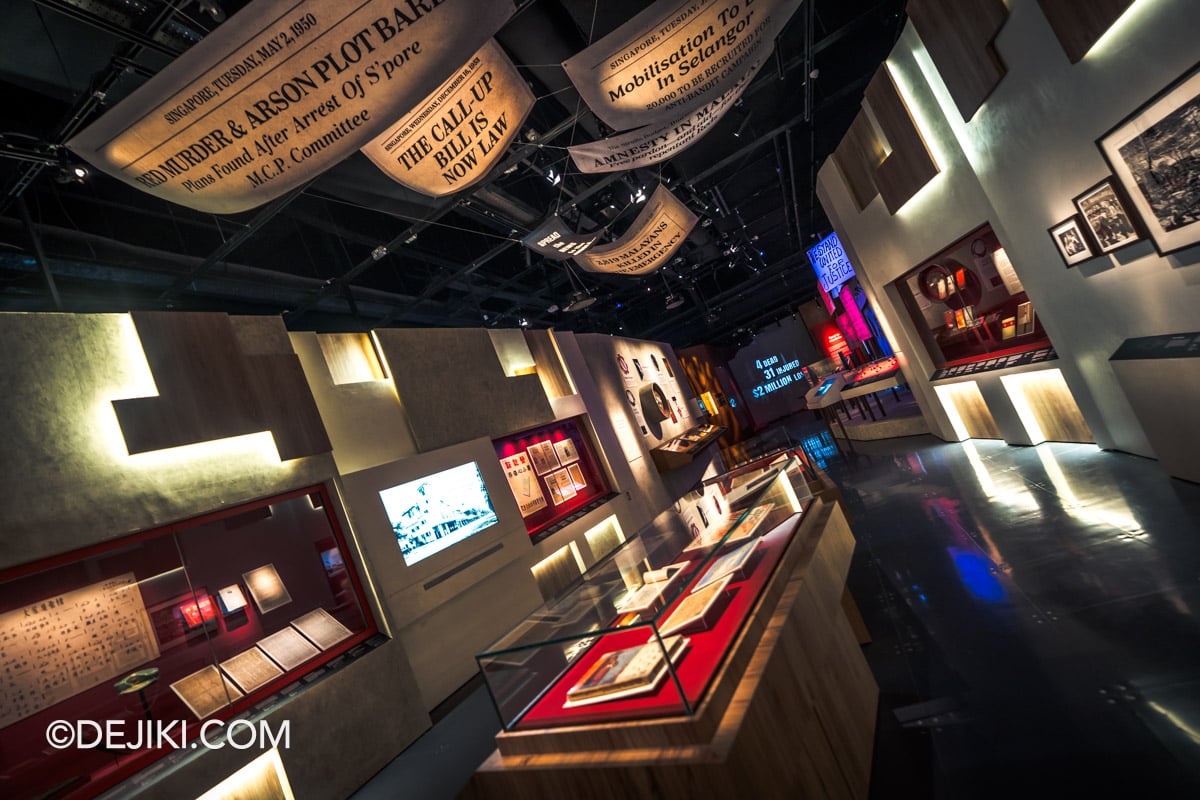
Print media, radio and public speeches became arenas for debate, and hanging newspaper banners overhead set the scene.
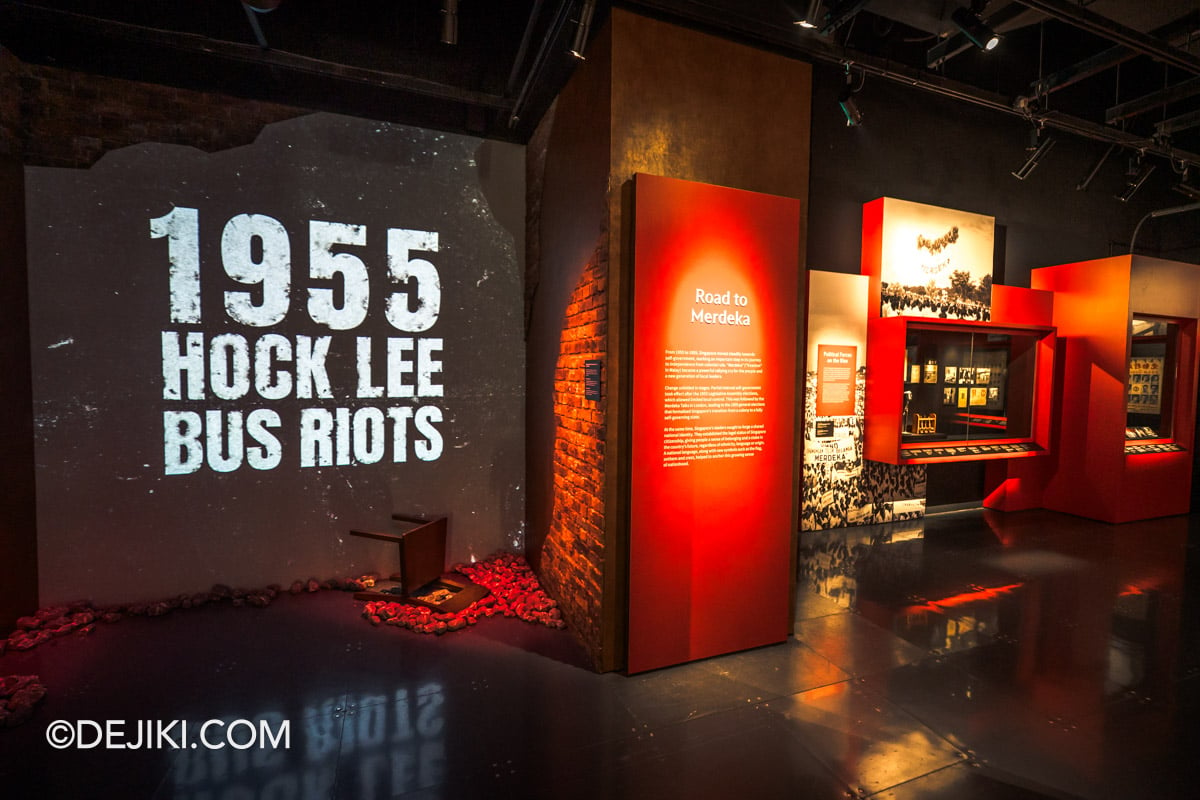
The debate spilled onto the streets through student demonstrations and labour strikes, while a new generation of local leaders emerged with competing visions.
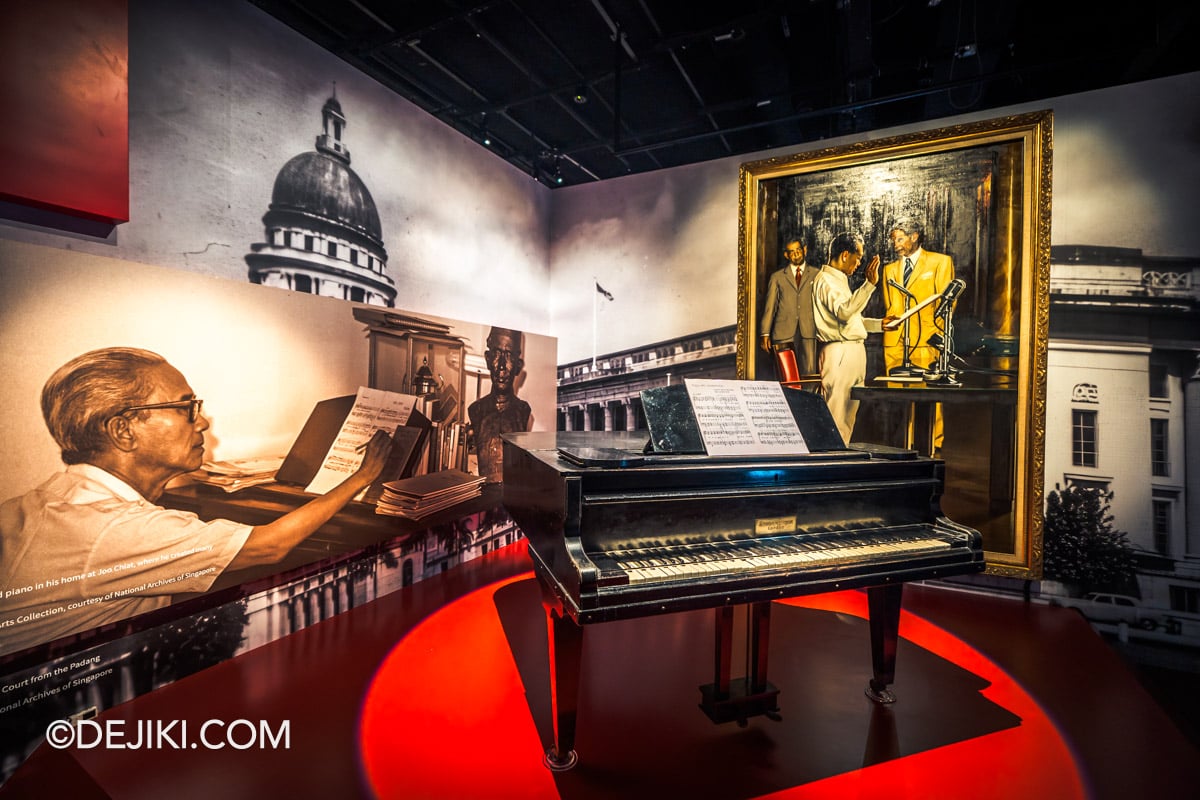
The centrepiece is Zubir Said’s piano, which is new to the gallery. The composer was born in West Sumatra and came to Singapore in 1928. He composed numerous works on this Strohmenger grand piano, a gift from the Indonesian Club, including Singapore’s National Anthem, Majulah Singapura.
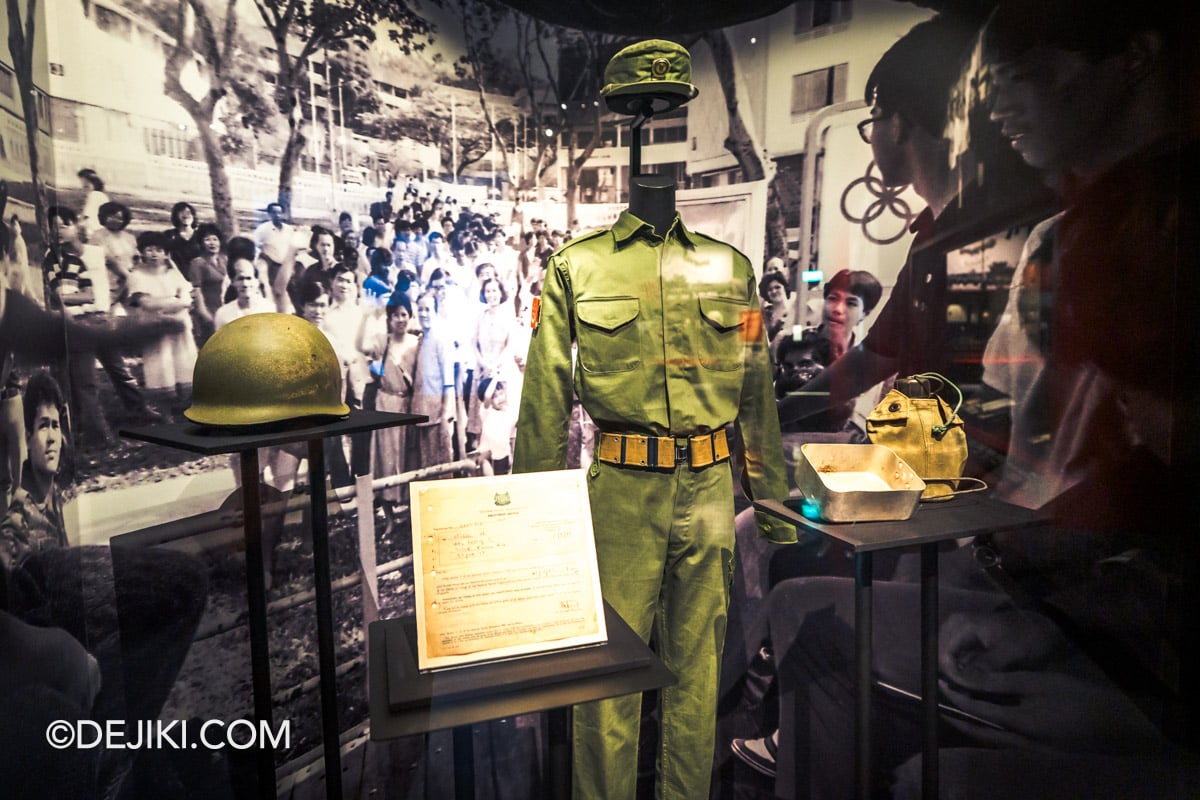
In that era, Singapore instituted the National Service Act, requiring all 18-year-old male citizens and permanent residents to undergo conscription. You can see an actual enlistment notice from 1969 here.
The zone closes with Divergent Paths, a multimedia presentation on the road from merger to separation, where you can sit and take in the moment.
Becoming Singapore (1960s to 1980s)
This zone follows how Singaporeans built new lives in a newly independent country, alongside major government reforms to the economy, housing and education. Many people embraced unfamiliar ways of living, and this is where the gallery turns personal.
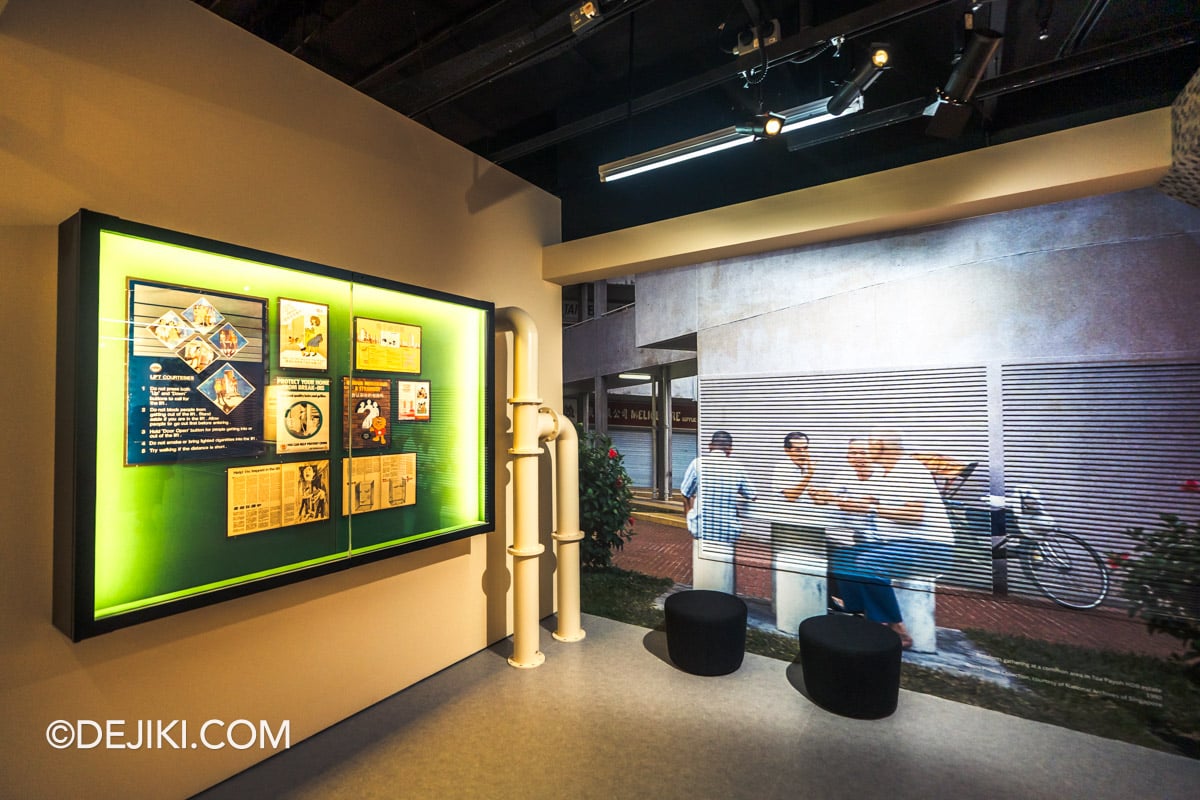
A void deck in this zone carries old posters from the era, aimed at keeping the HDB heartlands clean and safe. There is even a Lift Courtesies poster, which is common sense today but was something people needed educating about back then.
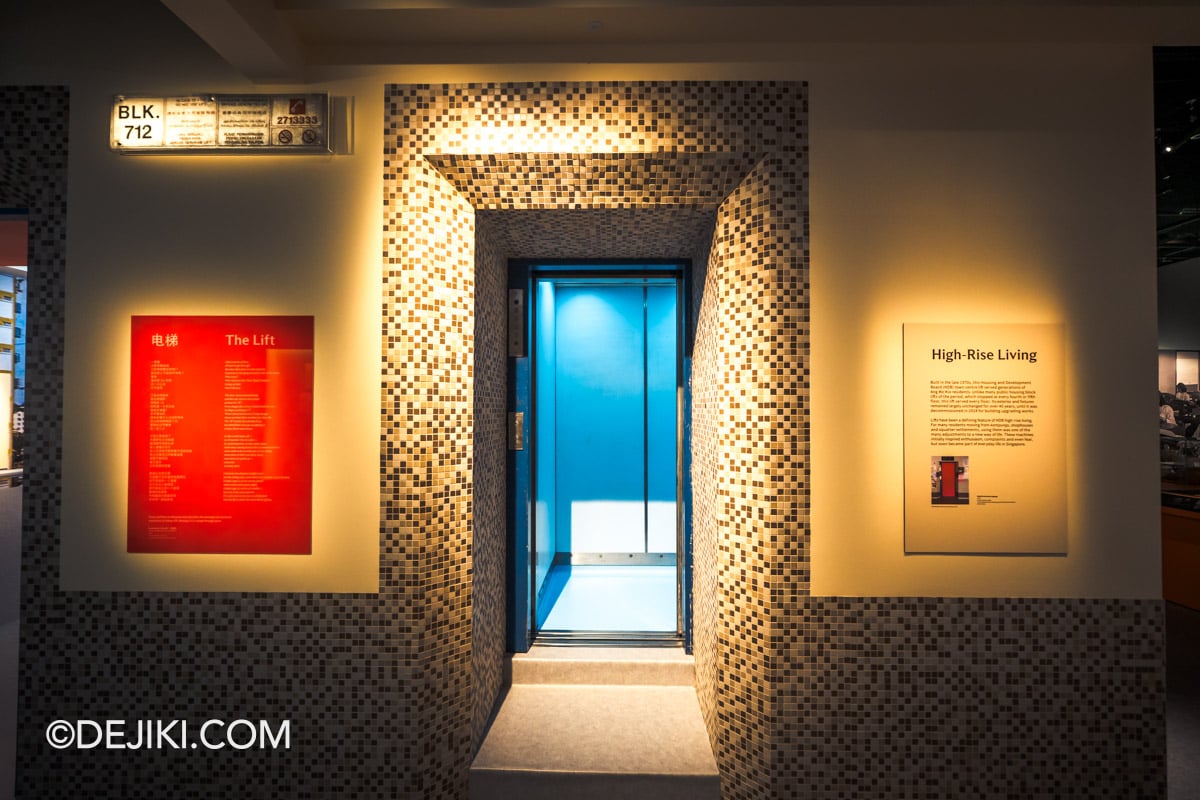
The restored HDB lift dates to 1978 and is a new acquisition, on display for the first time. It served generations of Ang Mo Kio residents, but unlike many public housing block lifts of the period, which stopped at every few floors, this one served every floor, and it stayed largely unchanged for over 40 years until it was decommissioned for upgrading works.
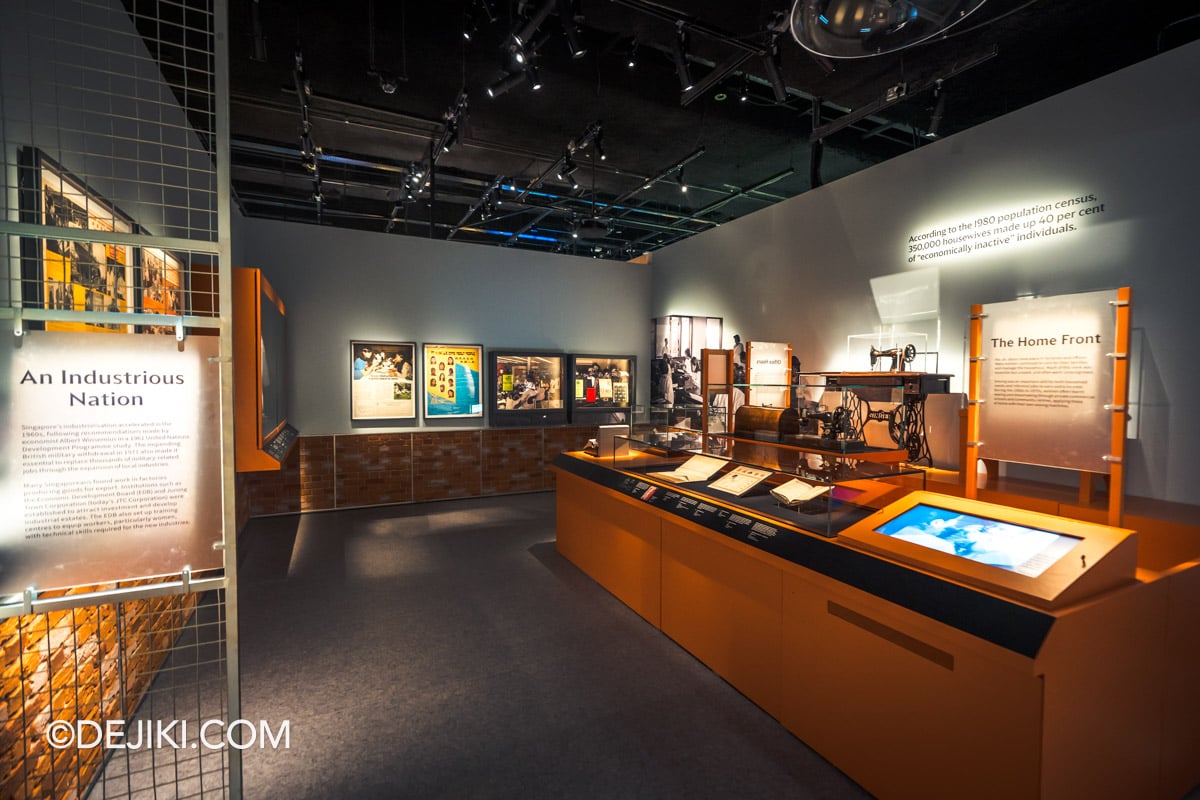
An Industrious Nation covers Singapore’s early strategy to develop industrial estates, with training centres for workers, particularly women. Around the zone, objects from Rollei, the camera maker that opened a factory in 1971, and Fairchild Semiconductor, which set up in 1969, give a human face to the generation of factory workers.
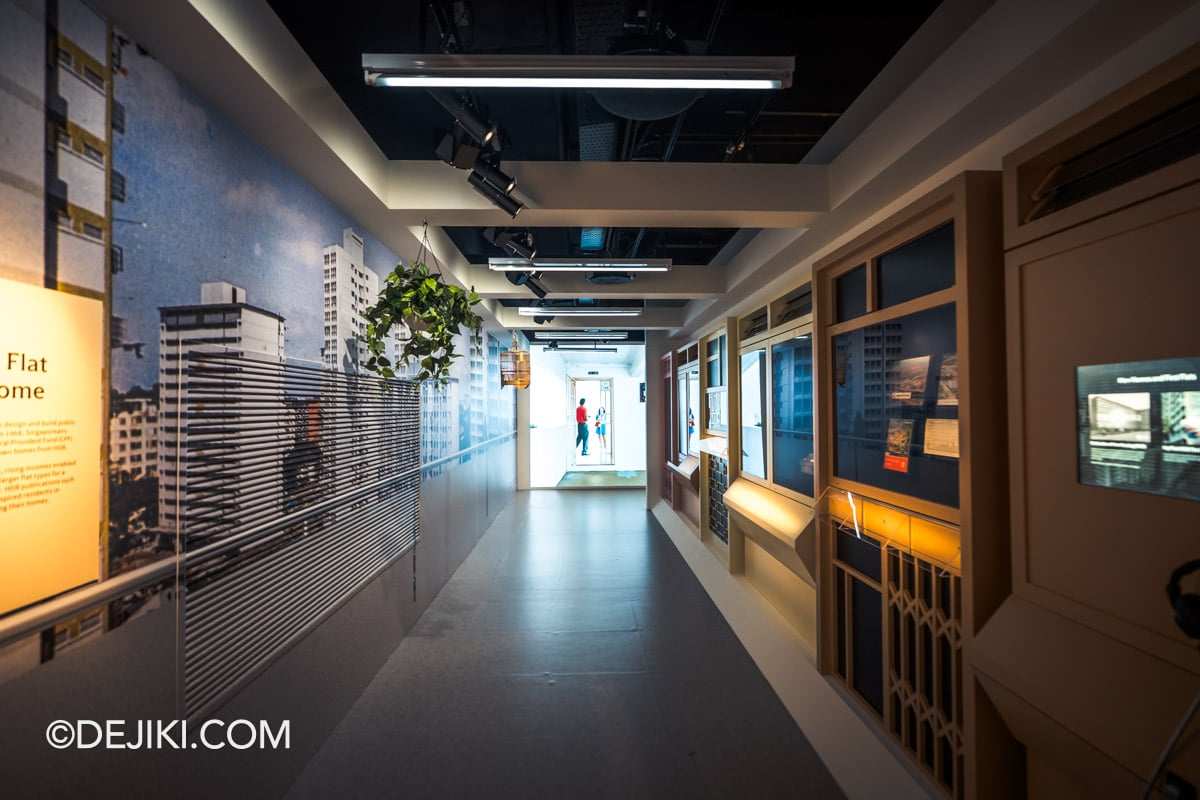
Life in an HDB Flat recreates an HDB corridor, with artifacts showing how HDB transformed the housing landscape and how, over time, the flats became homes. A screen at the end plays vignettes of HDB living in the 1970s and 1980s, from everyday encounters to celebrations with family and friends.
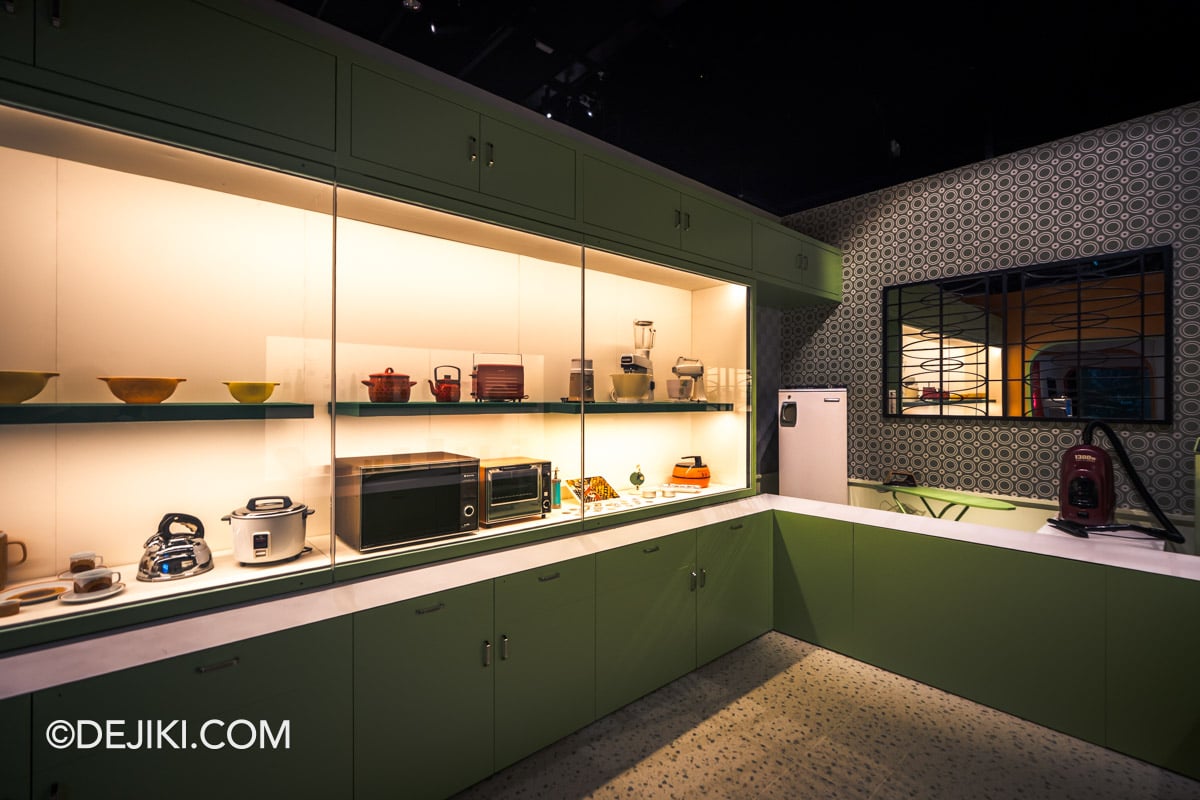
As incomes rose, time-saving home appliances became common, and television and video games offered new forms of entertainment.
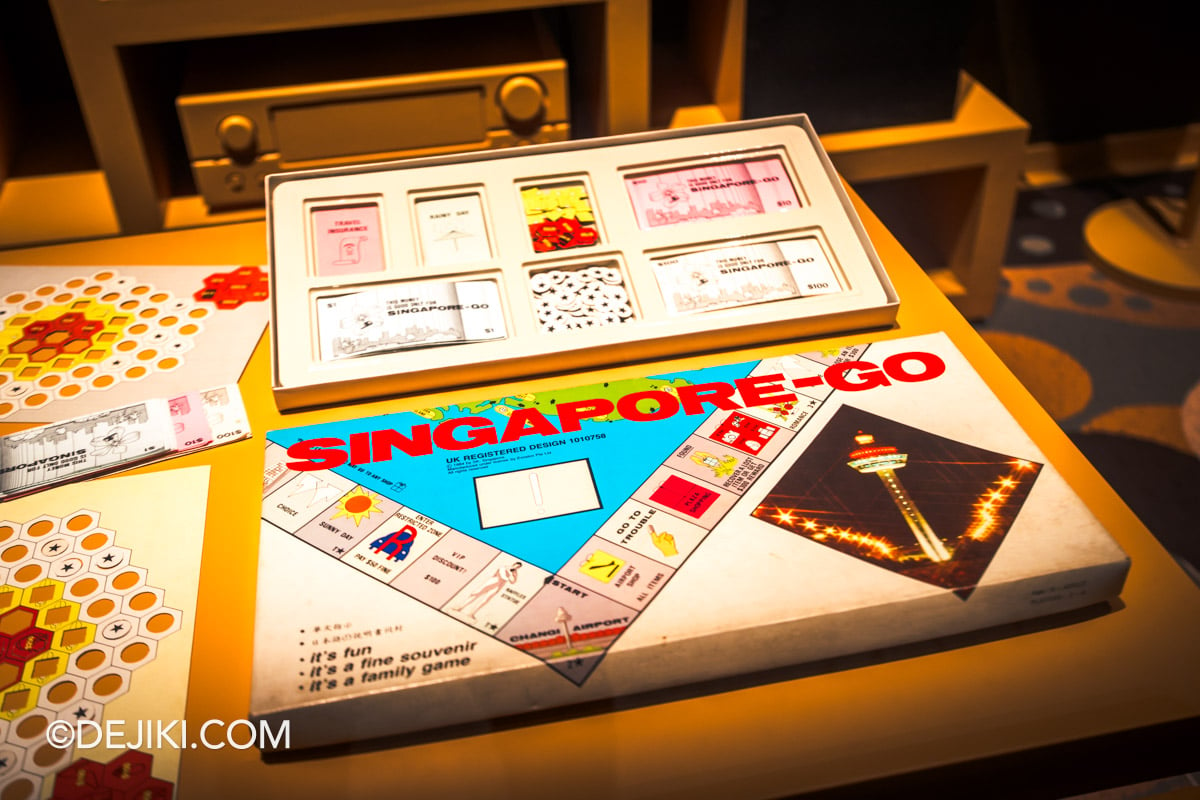
A Singapore-themed board game is a fun find for anyone who grew up with tabletop games.
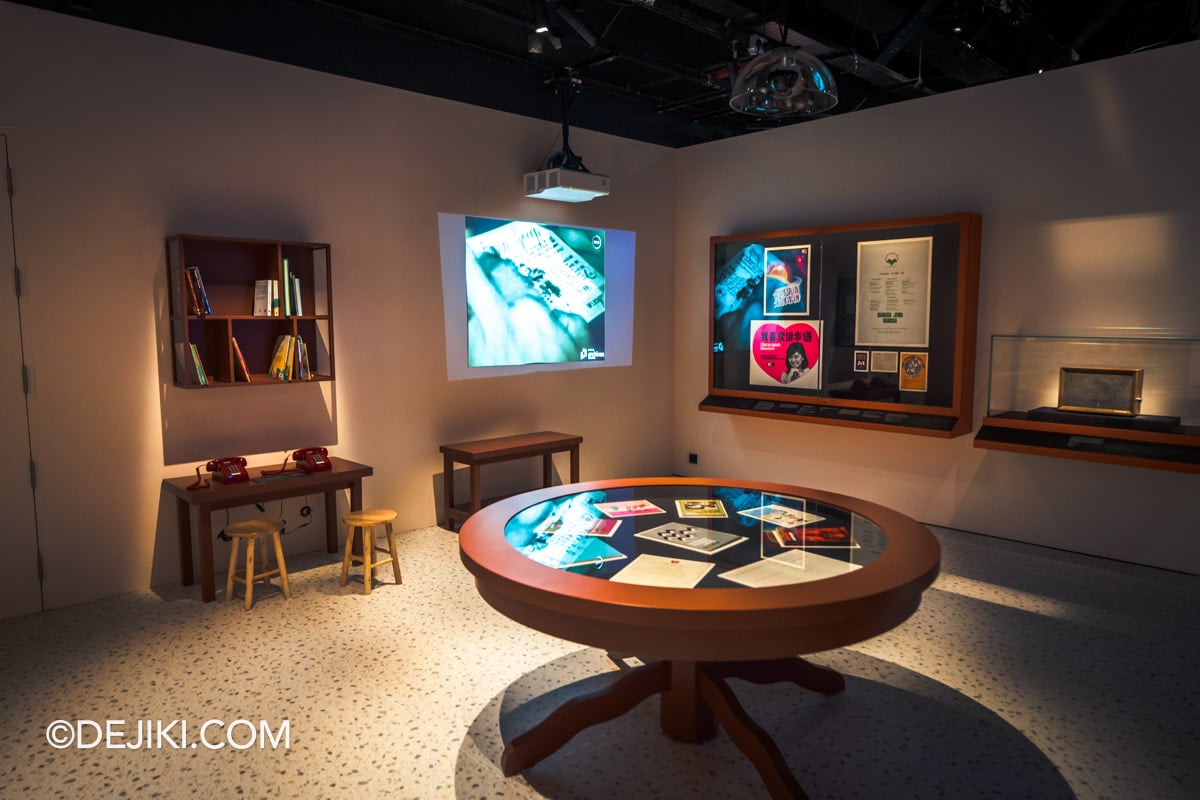
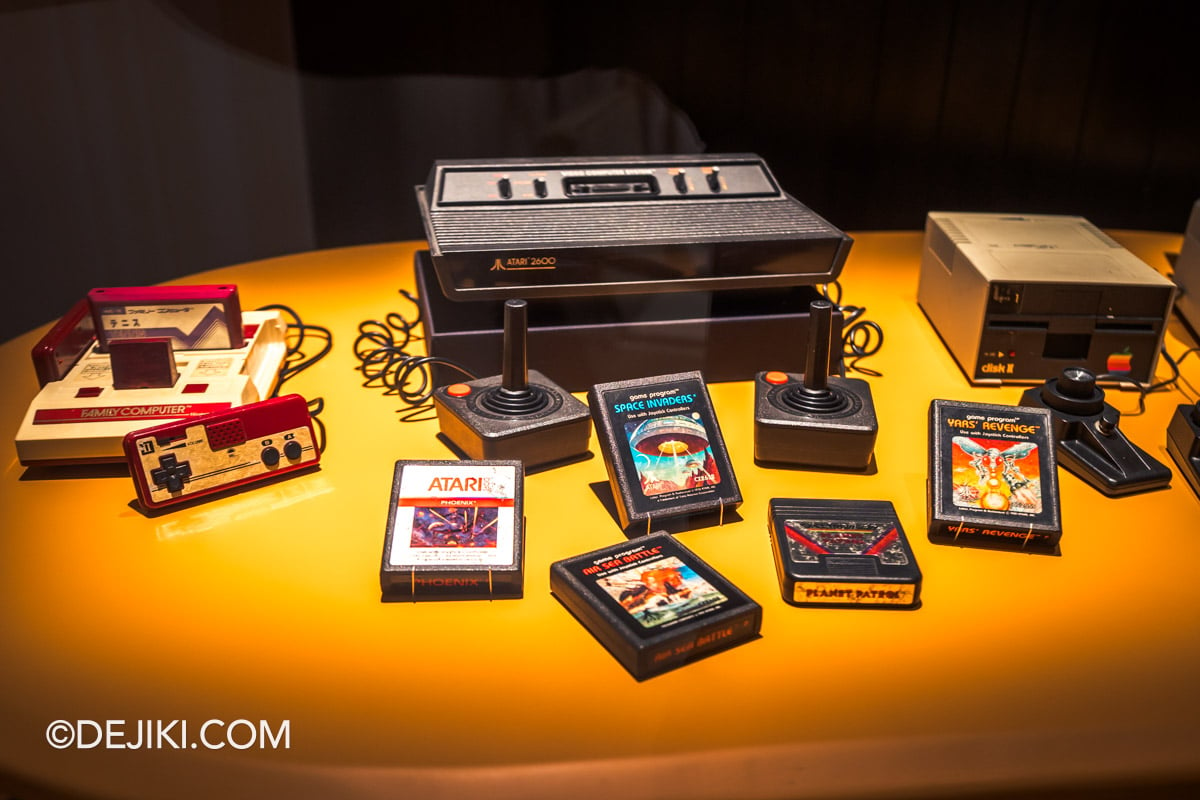
Game consoles and cartridges from the same era are laid out together, and they are the sort of objects that bring back childhood afternoons.
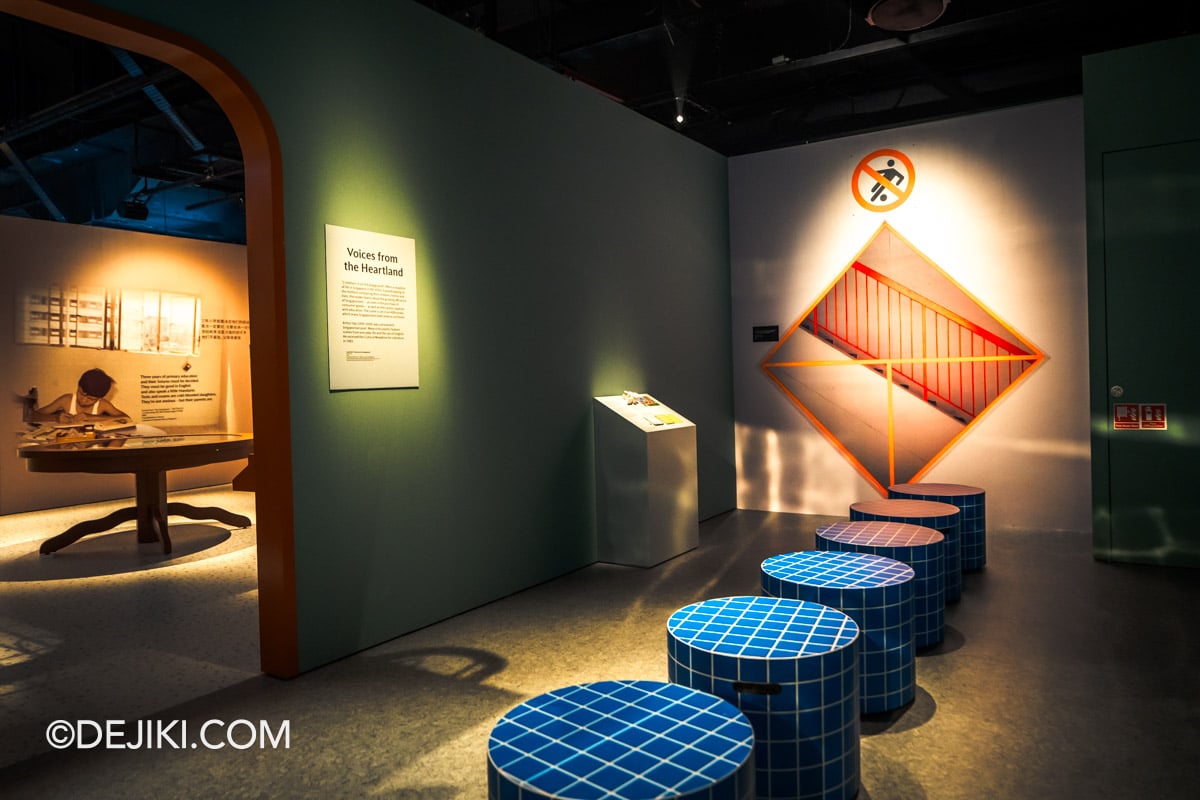
Near the end of the zone, blue tiled stools invite you to take a seat and read Arthur Yap’s poem 2 mothers in a h d b playground, an intimate snapshot of everyday life in a nation finding its footing.
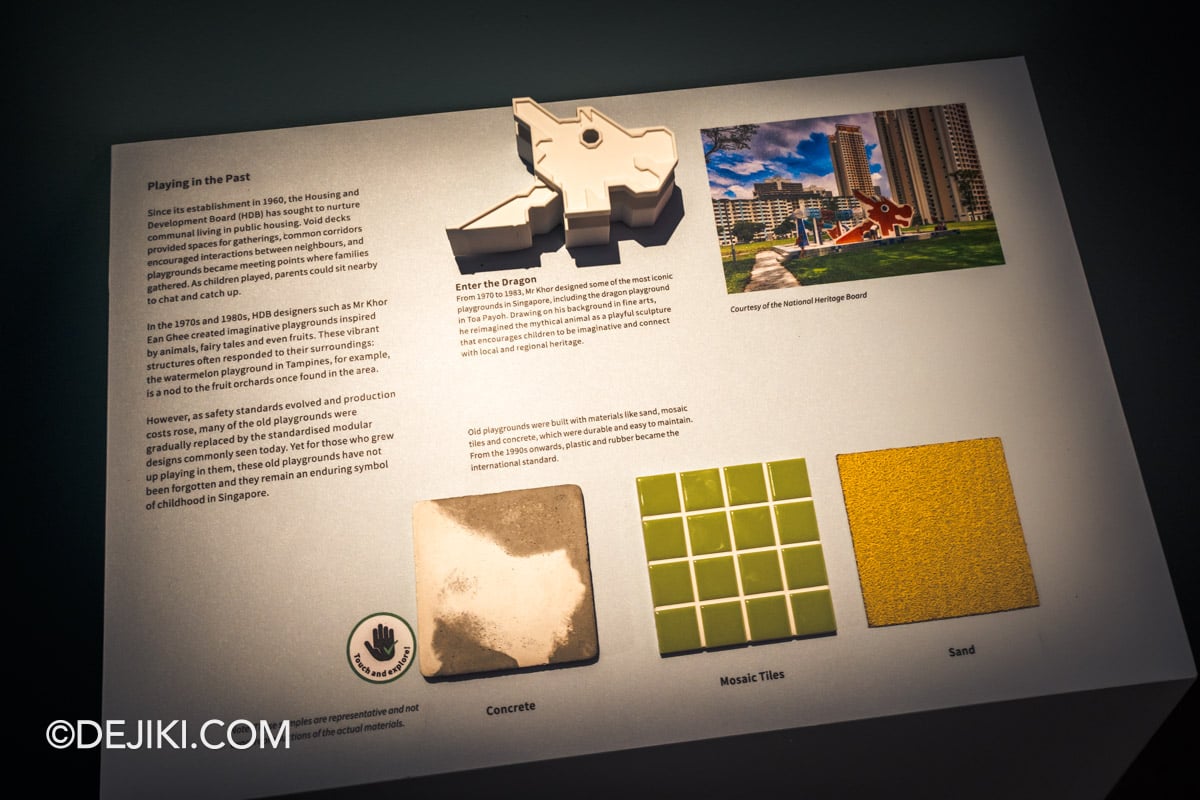
Playing in the Past is a touch-and-explore panel on the old HDB playgrounds. In the 1970s and 1980s, designers such as Khor Ean Ghee created the nostalgic HDB mosaic playgrounds inspired by animals, fairy tales and fruits, including the dragon playground in Toa Payoh and the watermelon playground in Tampines, which nods to the orchards once found in the area. Samples of concrete, mosaic tiles and sand show what they were built from, and visitors can touch them.
Being Singaporean (1980s to 1990s)
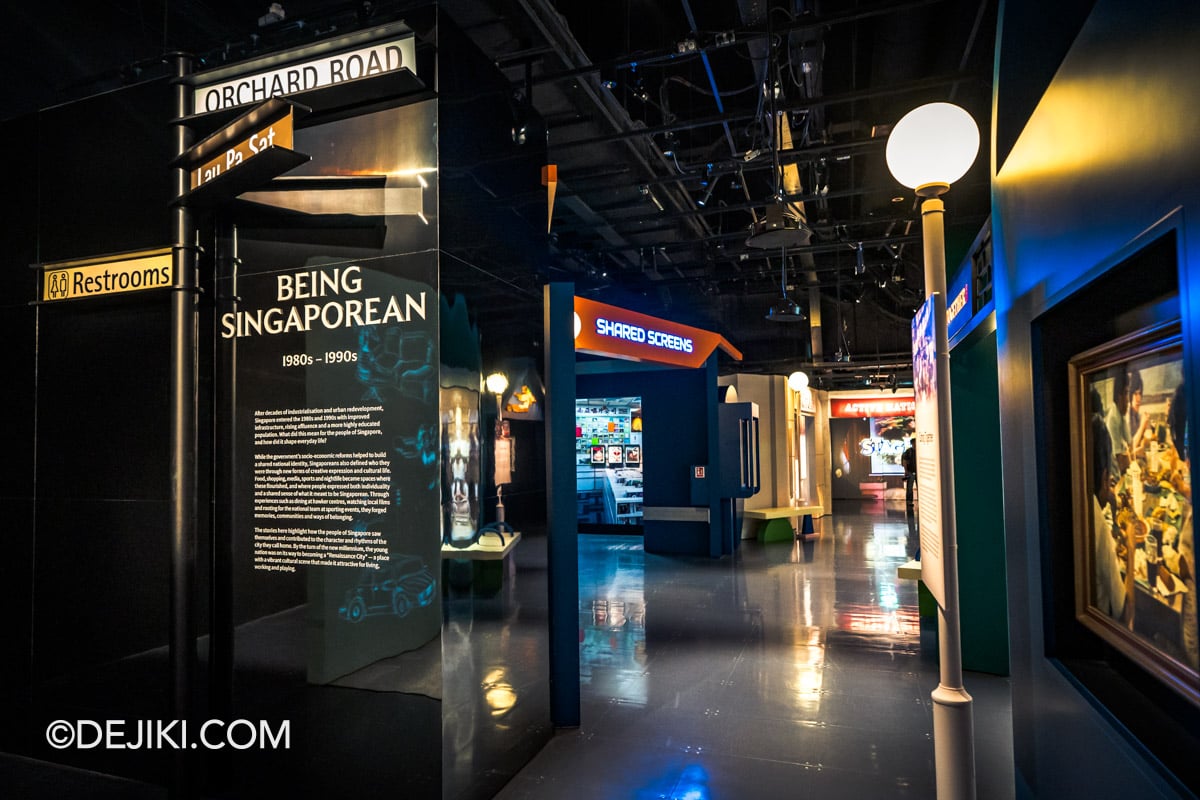
After decades of industrialisation and urban redevelopment, Singapore entered the 1980s and 1990s with better infrastructure, rising affluence and a more highly educated population. This zone looks at how people defined themselves through food, shopping, media, sports and nightlife, and by the turn of the millennium the young nation was on its way to becoming a “Renaissance City”.
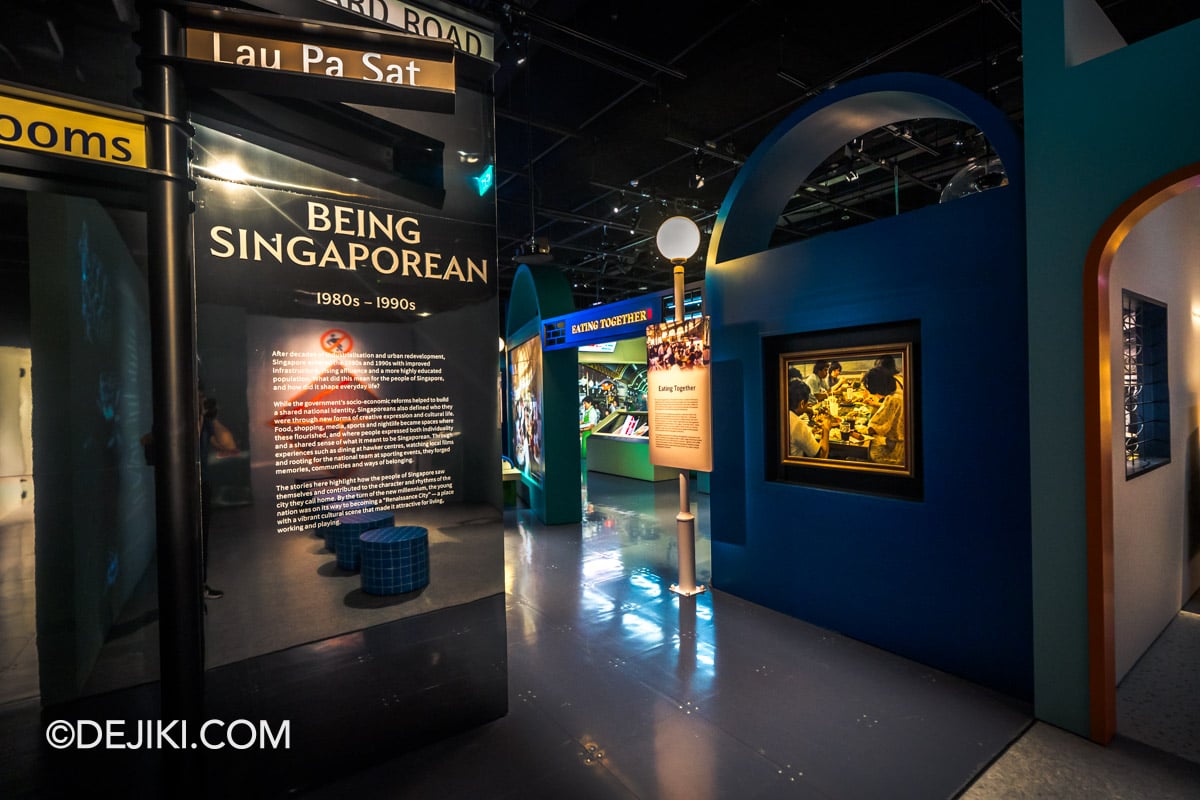
You step into the zone through a passageway inspired by Orchard Road, complete with street lamps and signboards. It sets a livelier, more colourful tone than the zones before it, and this is where the nostalgia really kicks in.
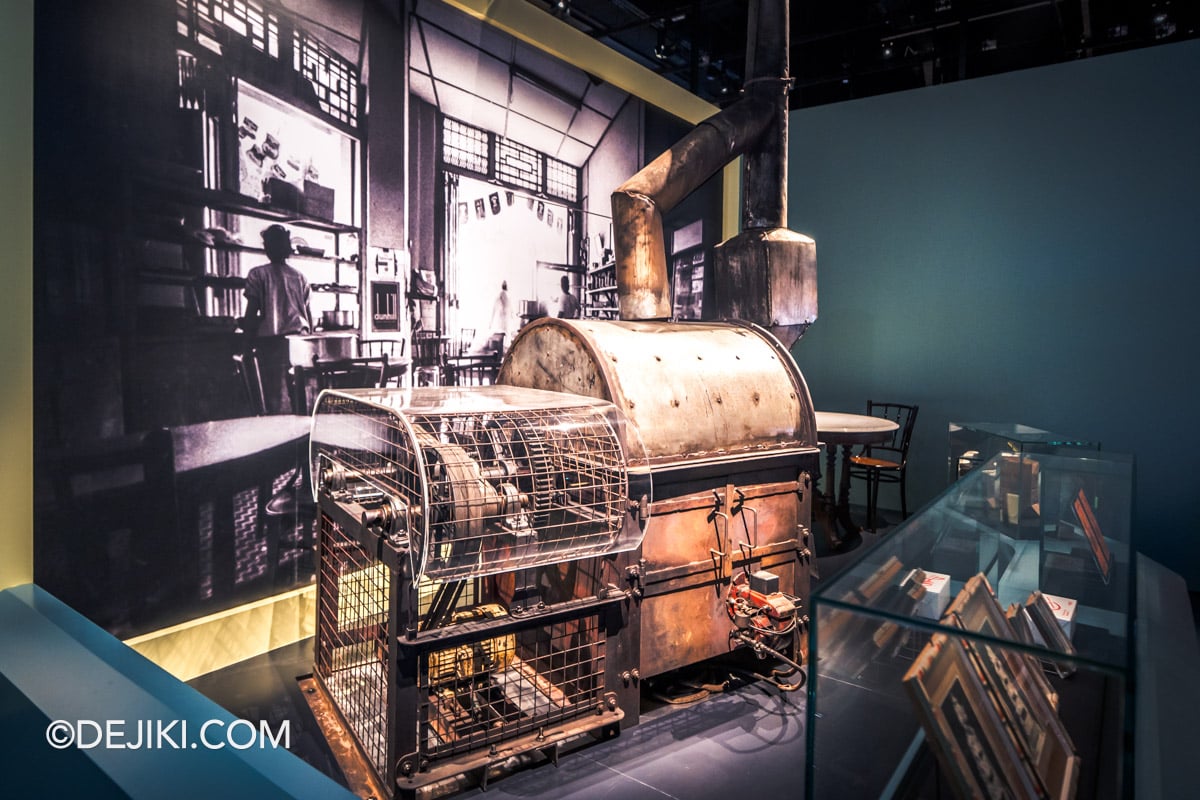
The Nanyang coffee roasting machine dates back to the 1940s and the museum ties it to kopitiam culture. Coffee shops were started by Hainanese immigrants in the late 19th and early 20th centuries, and knowing how to customise your coffee order, from milk to sweetness to brew strength, is said to be a marker of Singaporean-ness, since the colloquial terms draw on Malay, Cantonese, Hokkien and Hainanese.
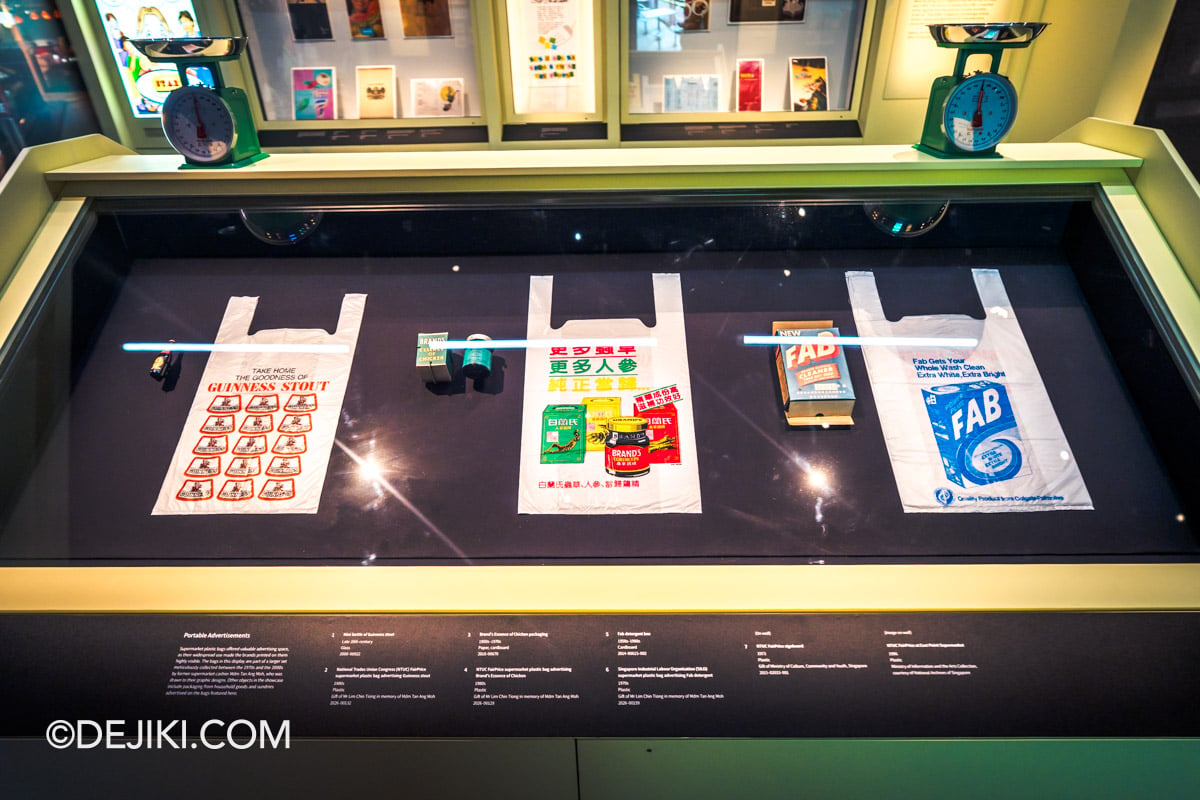
The NTUC plastic bags are the sort of everyday item nobody expects to see in a museum, which is exactly why they land so well. They are a quick throwback for anyone who remembers them from the supermarket, especially now that we have gone into the era of grey, non-descript plastic bags.
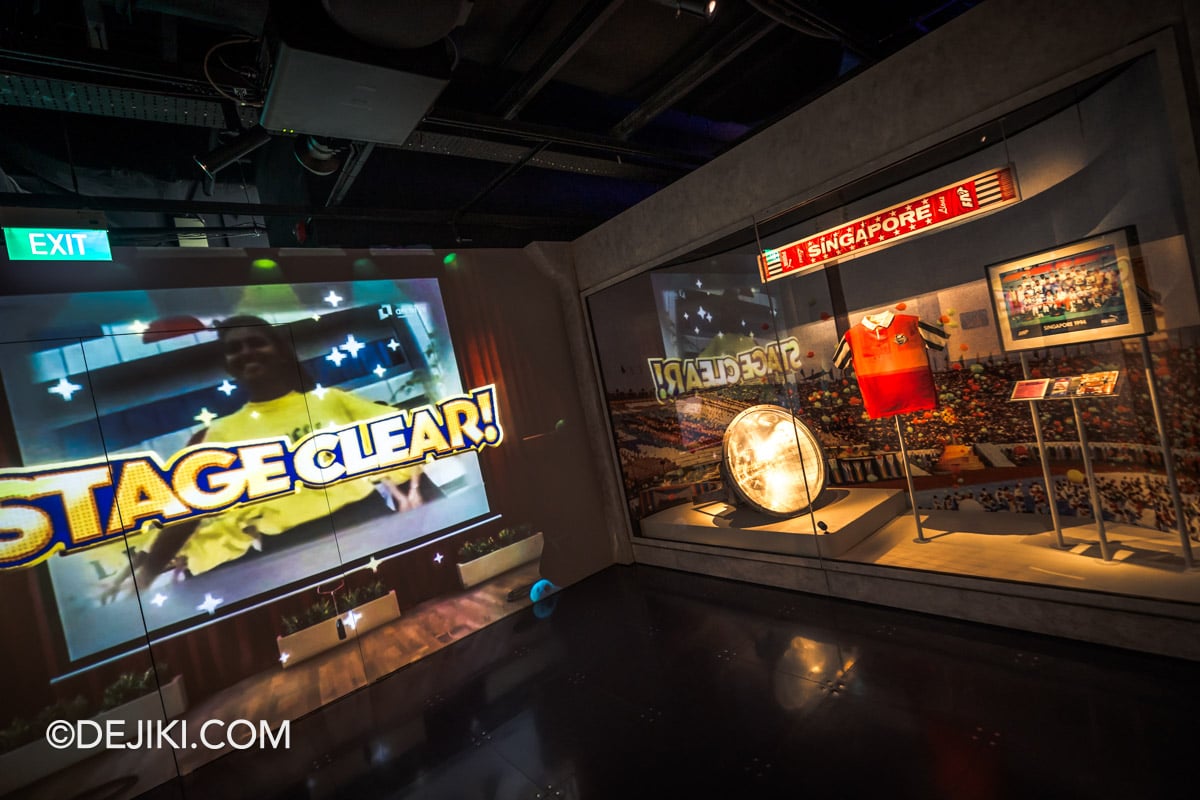
The Great Singapore Workout station plays archival footage and invites you to join in. The mass exercise programme launched in 1993, with simple movements designed to suit a wide range of ages and fitness levels.
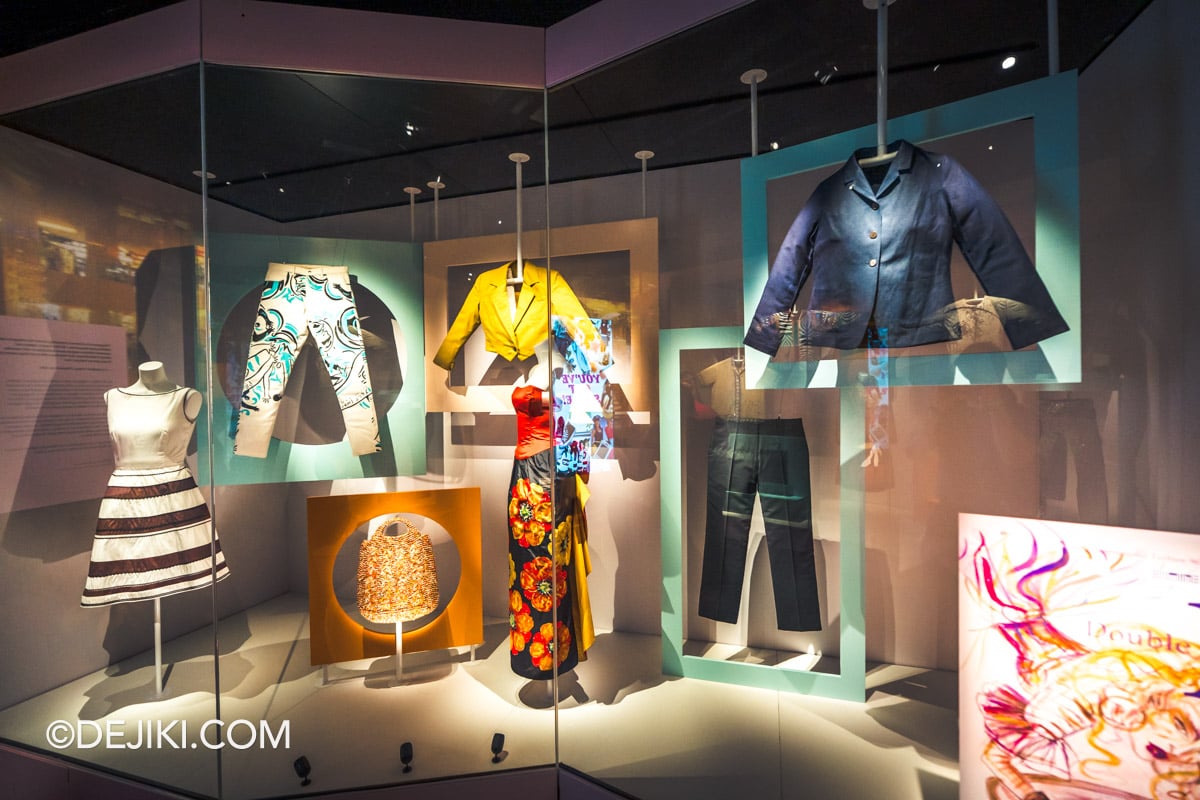
Fashion gets its own corner, with homegrown designers who made their mark on the world stage, and office wear for the growing number of women in white-collar jobs.
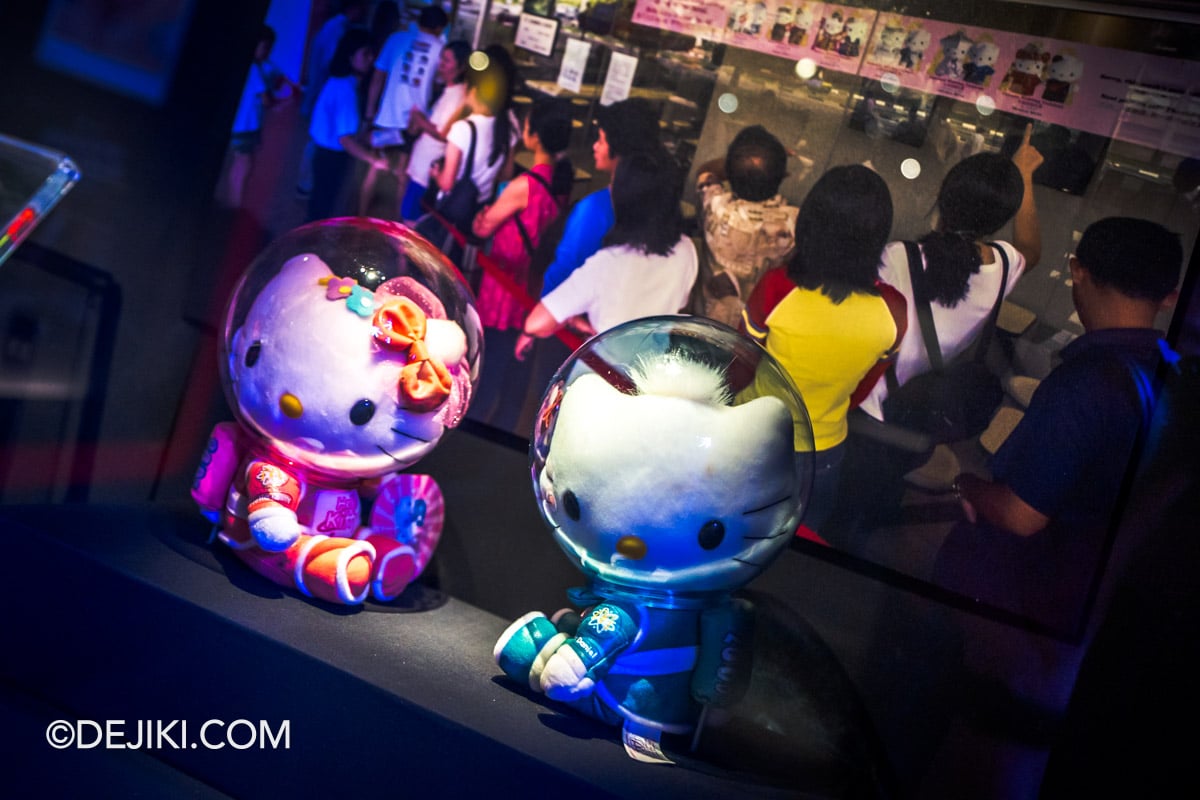
Some of us will never forget the McDonald’s Hello Kitty toys that were meant to usher in the new millennium. The Hello Kitty and Dear Daniel dolls in wedding costumes went on sale from 1 January 2000, and they drew queues from sunrise, scuffles at the counter and drive-thru lines that spilled onto public roads, all for a fast-food plush toy.
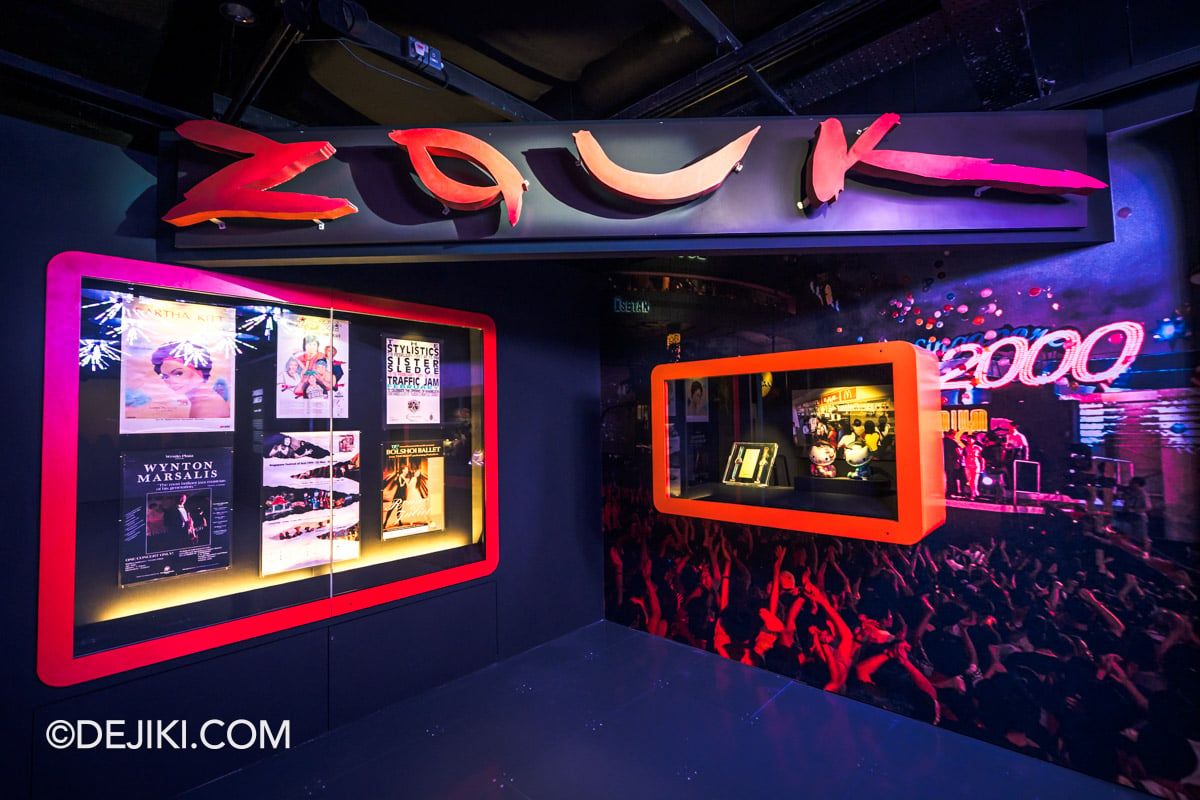
The original Zouk signage from the Jiak Kim Street location dates to 1991. Lincoln Cheng founded Zouk that year, inspired by his travels around the Mediterranean, and the complex first housed a disco, restaurant, wine bar and pub. Venues such as Phuture followed, and through the 1990s and 2000s Zouk helped establish Singapore as a global destination for music and nightlife.
The zone closes on the eve of the new millennium, capturing a city on the cusp of change.
Looking Global (2000s to Present)
By the 2000s, Singapore had established itself as a major financial and maritime hub with strong global connections, and the tone of the gallery turns more reflective here. The first thing you meet is The Lion City 2012 to 2026, a timelapse by photographer Keith Loutit commissioned by the museum. It compresses nearly 15 years of Singapore’s development and redevelopment into a few minutes.
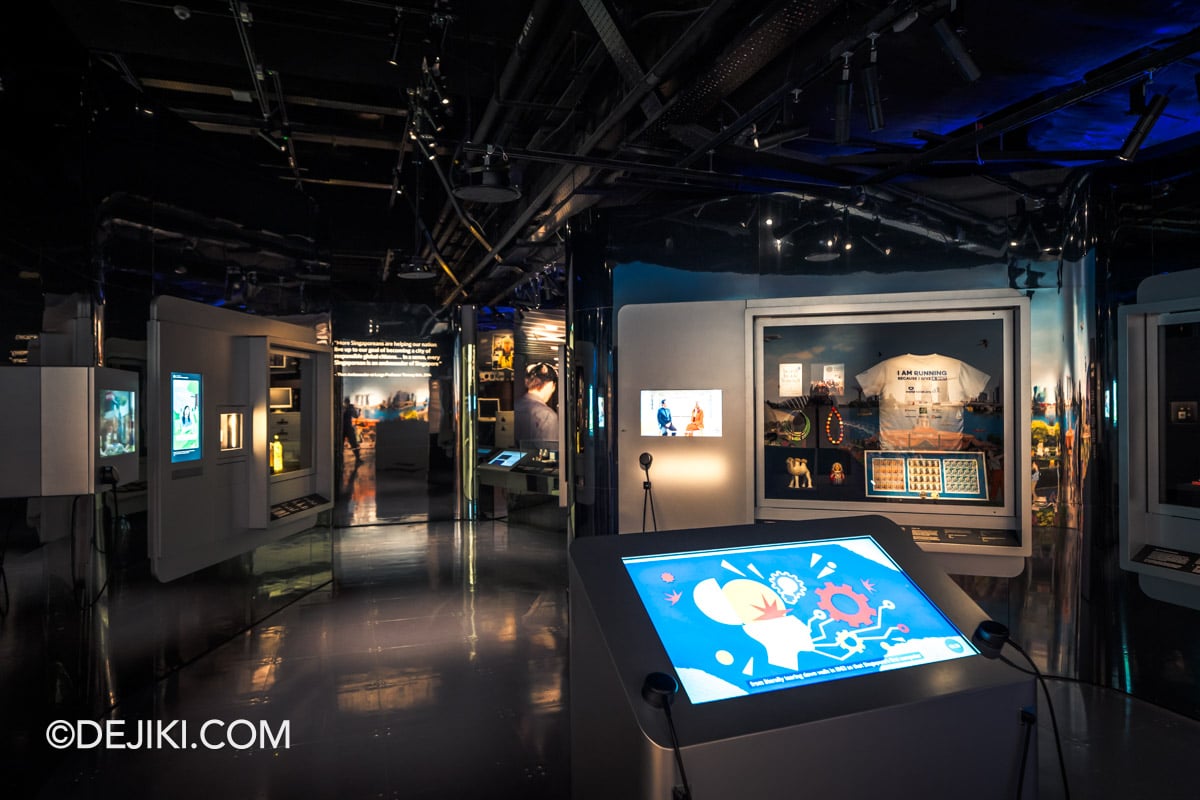
The zone traces how Singaporeans have engaged with the world, from technological innovations with global impact to sustainability and humanitarian aid. Did you know that Singaporean company Trek 2000 launched the ThumbDrive in 2000, which the museum presents as the first USB storage device the world had seen? The story reaches the Covid era with the cPass test kit, developed in Singapore in just 70 days.
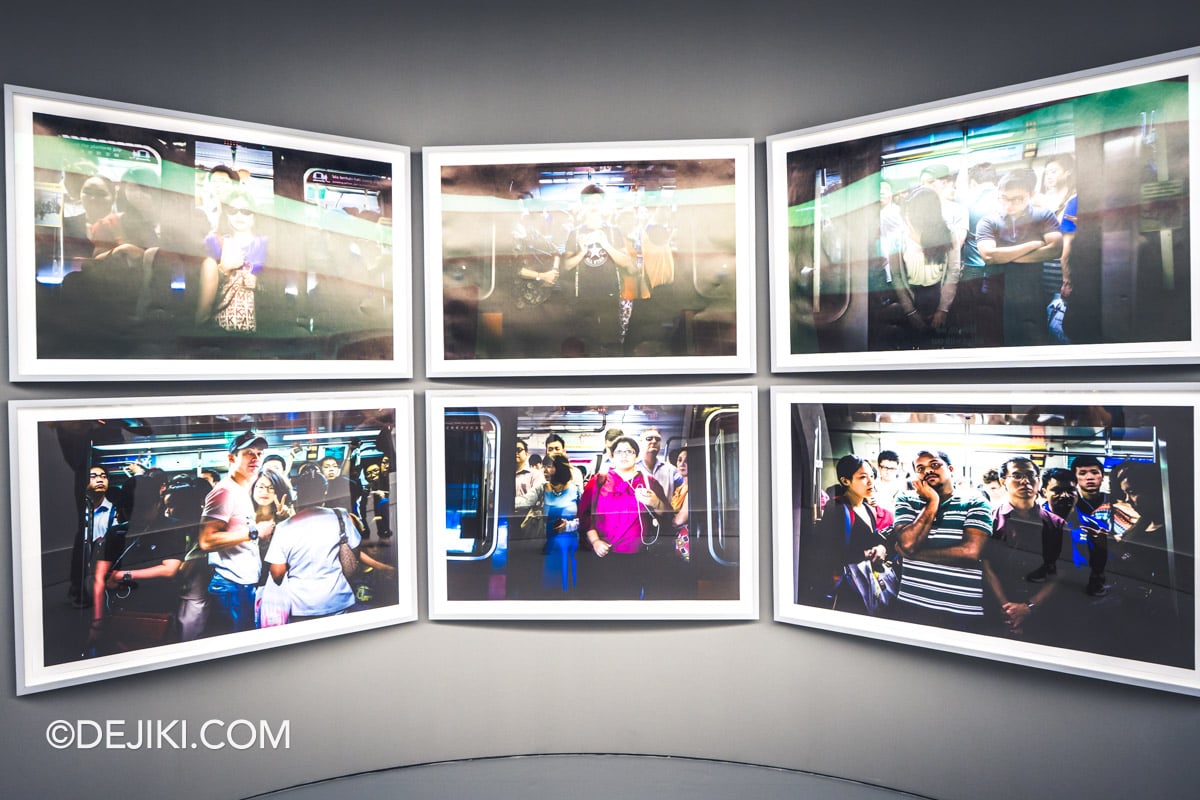
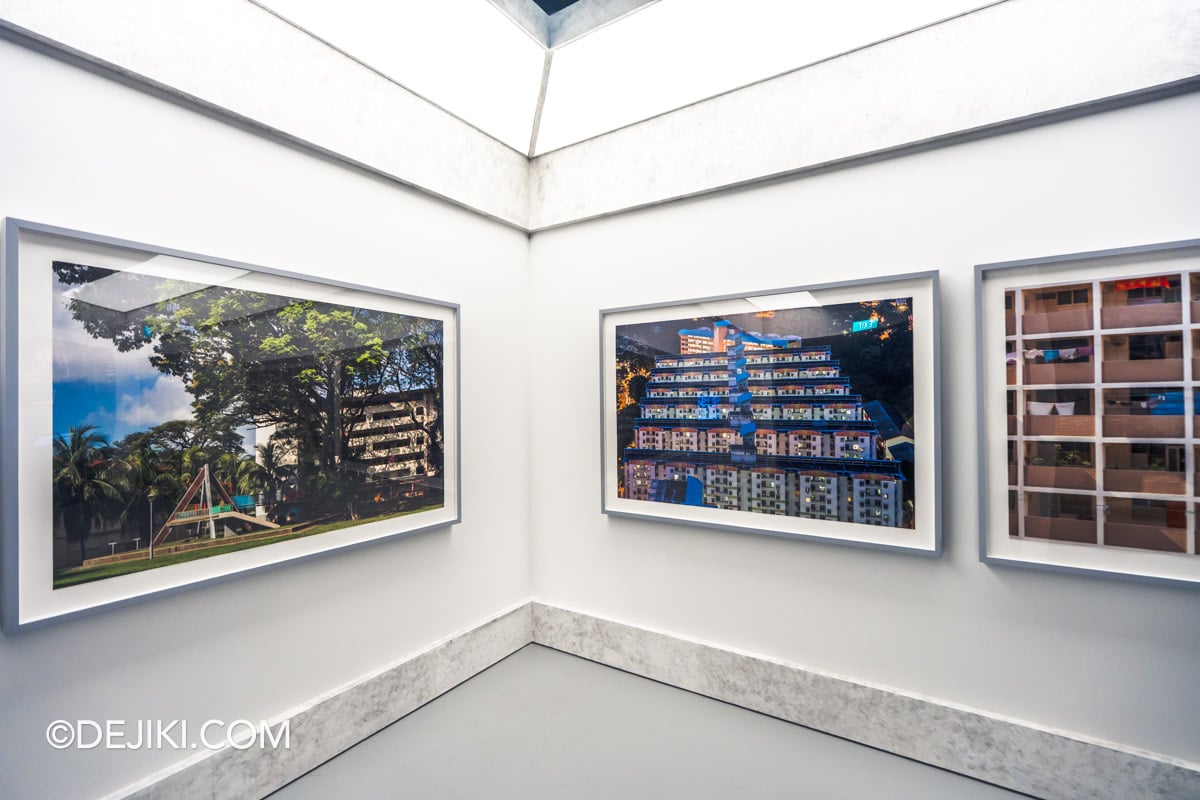
Edwin Koo’s Transit series is a set of six prints from 2014, a new acquisition on display for the first time, while Darren Soh’s photographs record HDB blocks at Dakota Crescent and Tanglin Halt, two of Singapore’s oldest public housing estates, which were chosen for the Selective En Bloc Redevelopment Scheme in 2014. A screen beside the HDB prints plays videos of former residents on leaving their old neighbourhoods and rebuilding familiar bonds, and the Dove Playground, preserved in the redevelopment, appears in one of the prints.
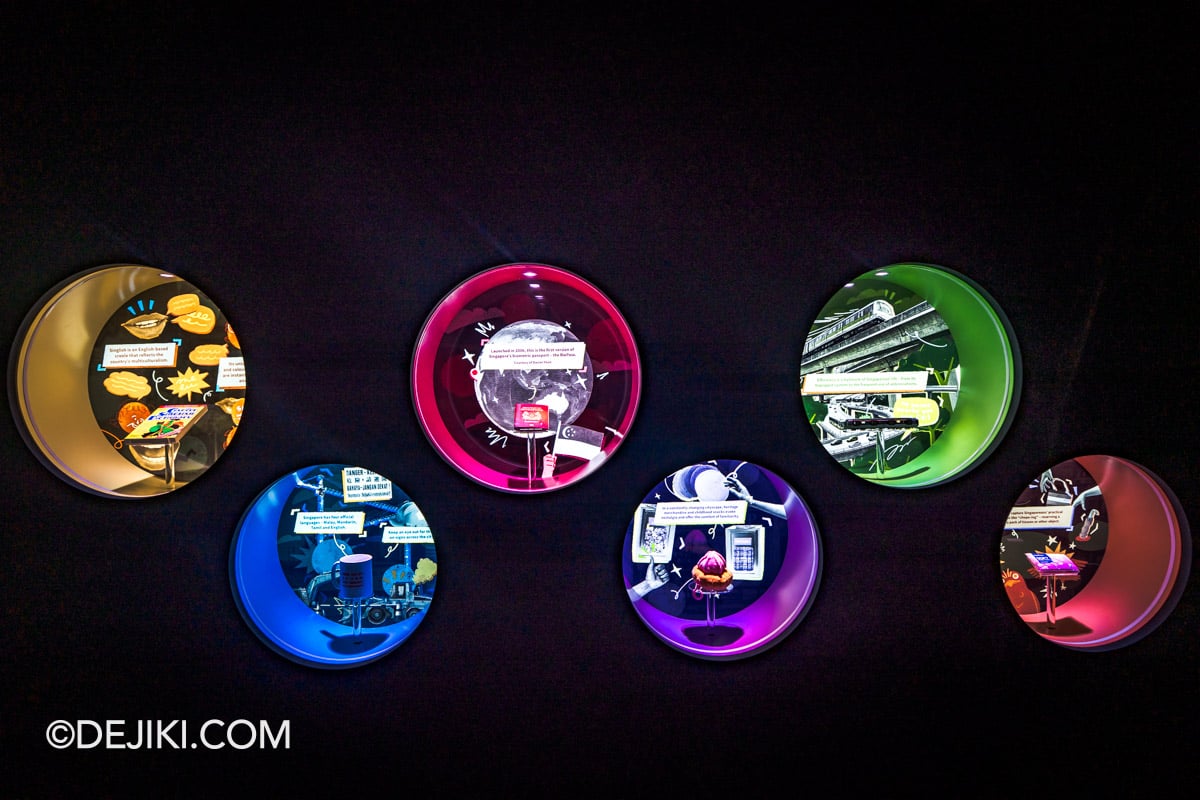
Anchors of Identity uses a cluster of round screens to look at the small, everyday things that tie us to home, from familiar sights on the daily commute to ways of speaking and shared habits. You can interact with the screens to explore what Singaporeans hold on to as the cityscape keeps changing.
The zone ends with Who Are We Today?, a film of candid conversations with residents of diverse backgrounds that puts the gallery’s central question to you.
Voices to the Future
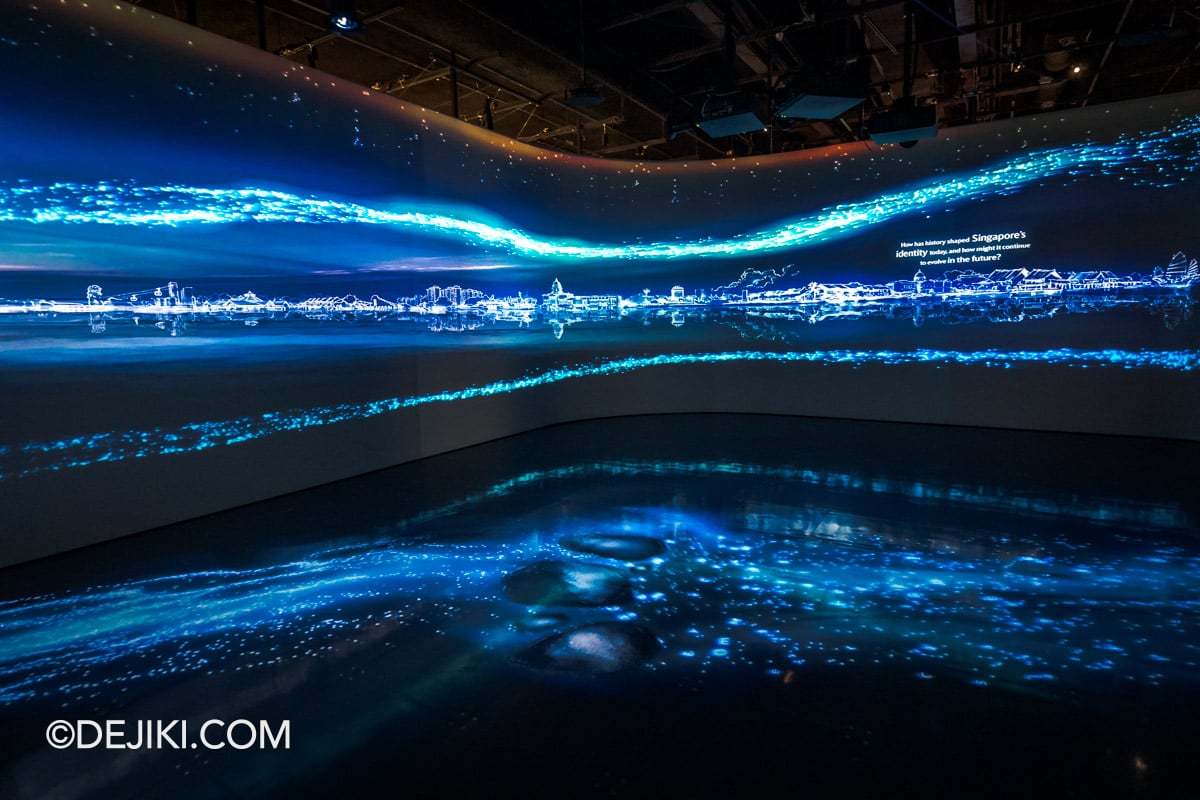
The journey ends in an immersive space titled Voices to the Future, which carries you from Singapore’s past into its future. The gallery’s history unfolds across the walls as one continuous visual landscape, from pre-colonial origins to the present day. It sort of loops back to the aesthetics of Singapore Odyssea.
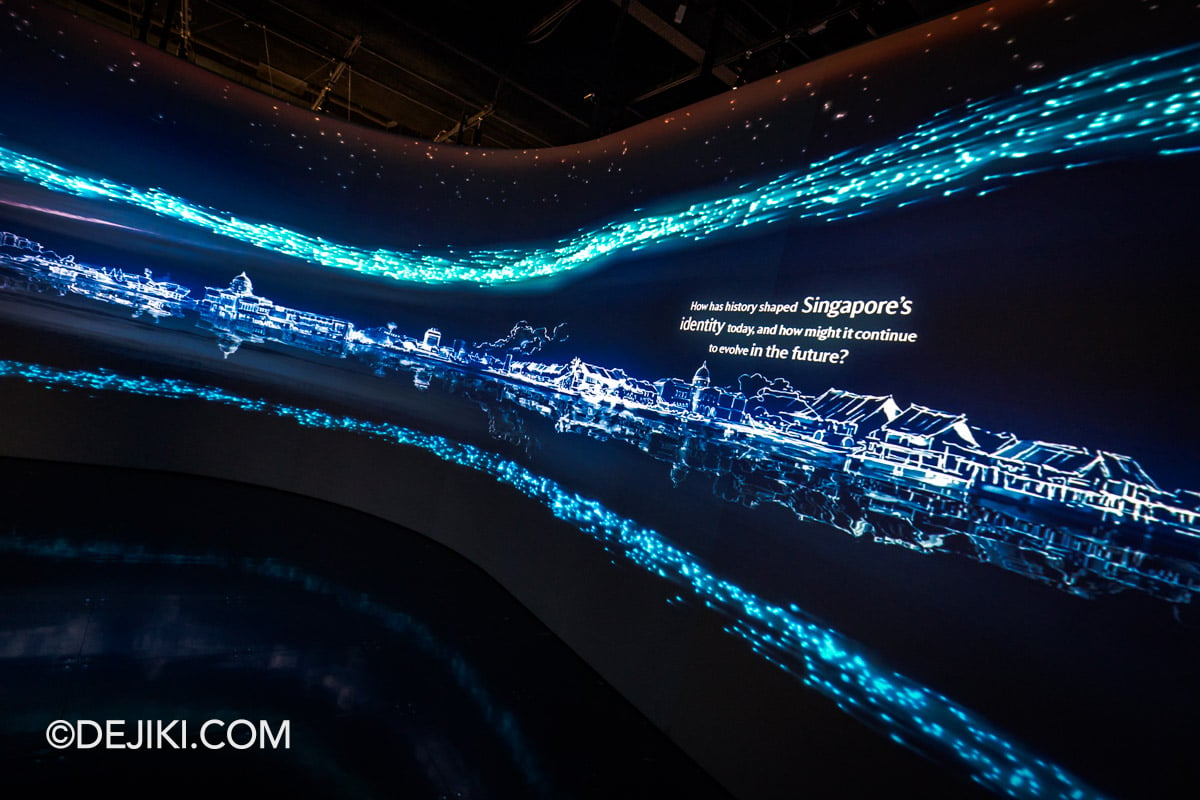
A projected river carries glimmers of the voices visitors recorded at the stations along the way, each drifting toward the walls. Together they shape a skyline of a future Singapore, with a personalised reflection crafted from visitors’ own words.
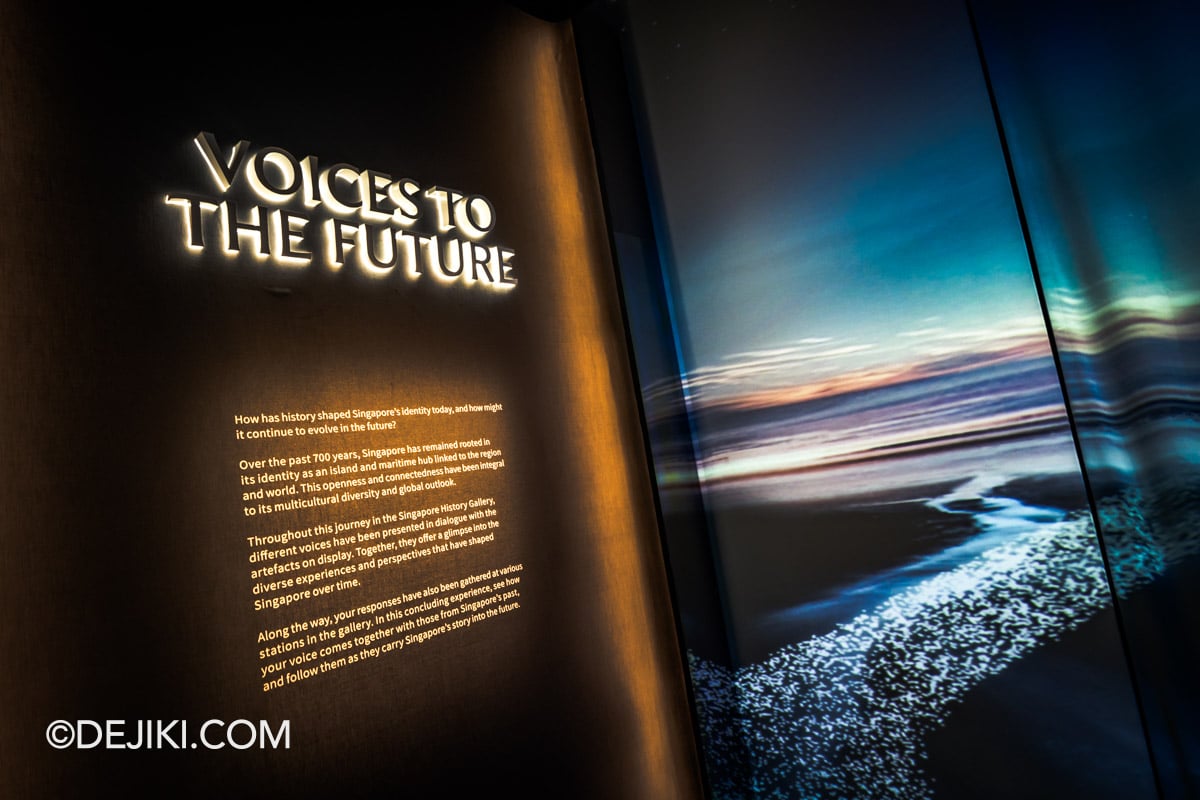
The gallery closes on a question for visitors: where will Singapore go from here, and what will its identity be?
Stories of Everyday and Stoney
The gallery reopens with Stories of Everyday, the museum’s 139th anniversary celebrations running from 10 to 18 October 2026, with programmes themed around the lived experiences of everyday Singaporeans across generations.
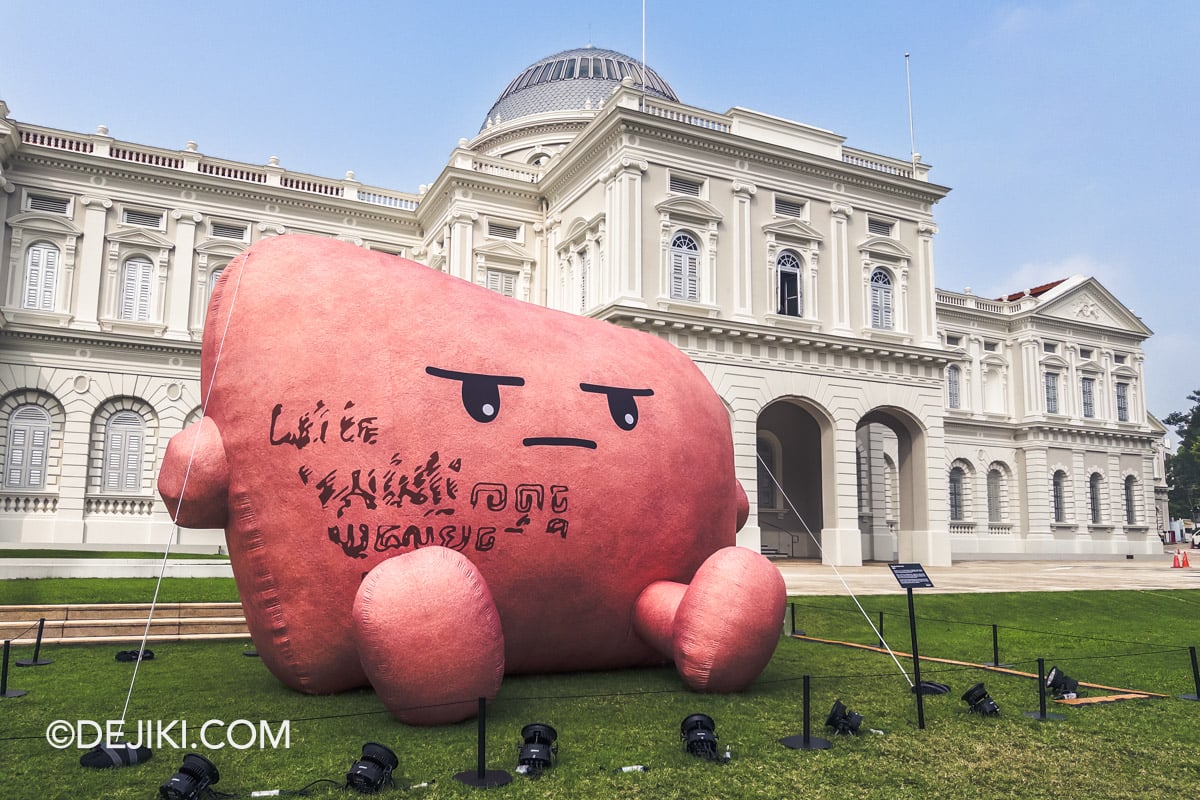
The celebrations also mark the official debut of Stoney, a mascot based on the Singapore Stone itself. Expect meet-and-greets with Stoney, plus a larger-than-life installation on the museum’s lawn for photos.
This reopening is also a prelude to the museum’s complete revamp, with Level 2’s Life in Singapore Galleries slated to reopen in early 2027 in time for the 140th anniversary.
Plan Your Visit
Singapore History Gallery
From 10 October 2026
Level 1, National Museum of Singapore
For more information about the Singapore History Gallery, visit the National Museum of Singapore website.
Stories of Everyday: 139th Anniversary Celebrations
10 – 18 October 2026
National Museum of Singapore
For more information about Stories of Everyday, visit the Stories of Everyday events page.